![Signals From [Space]](https://substackcdn.com/image/fetch/$s_!IXc-!,w_120,h_120,c_fill,f_webp,q_auto:good,fl_progressive:steep/https%3A%2F%2Fsubstack-post-media.s3.amazonaws.com%2Fpublic%2Fimages%2F9f7142a0-6602-495d-ab65-0e4c98cc67d4_450x450.png)
![Signals From [Space]](https://substackcdn.com/image/fetch/$s_!lBsj!,e_trim:10:white/e_trim:10:transparent/h_48,c_limit,f_auto,q_auto:good,fl_progressive:steep/https%3A%2F%2Fsubstack-post-media.s3.amazonaws.com%2Fpublic%2Fimages%2F0e0f61bc-e3f5-4f03-9c6e-5ca5da1fa095_1848x352.png)
![Signals From [Space]](https://substackcdn.com/image/fetch/$s_!NnOt!,w_144,h_144,c_fill,f_auto,q_auto:good,fl_progressive:steep,g_auto/https%3A%2F%2Fsubstack-post-media.s3.amazonaws.com%2Fpublic%2Fimages%2F688fc47b-7202-4a2e-b4f4-fea2b047ab1b_1500x1500.png)

It has been a busy month in kidney health, and an eventful one personally. If you missed it, yesterday I announced that I am partnering with Janis Naeve to build Bright Frontier Capital, a new thesis-driven venture fund investing in kidney and cardio-metabolic health. We see the kidney as medicine’s early warning signal, and it’s about time we invest like it. More to share in the coming months.
This month's issue reflects our belief that this field has a new sense of urgency. FDA approvals, major M&A, new platforms, payment model debates, and a research pipeline that keeps expanding. We've spent decades focused on a reactive endpoint, and it's time we build for a new generation. As always, thanks for being here and for sharing this with your networks.1
What’s Inside
News: FSGS approval, Biogen/Apellis, AI health access, Carna/Renalytix, NKF investment, multiple seed rounds
Research: Cardiac risk equations, APOL1, transplant outcomes, precision platforms, organ transport, ACCESS model, Medicare rules, ACO analytics
Community: FDA workshops, living donation, APOL1 roundtable, KDIGO updates on IgAN, green dialysis, ISN primary care sheets
Events: Kidney innovation, Vascular access, ERA, LSI Asia, Korea’s KSN, Transplant congress, BIO international, Mayo’s nephrogenetics update
Jobs: Travere, Monogram, Ardelyx, Akebia, Vertex, AstraZeneca, Interwell, Vantive, Amgen + dozens more on jobs.signalsfs.com
This issue is made possible by Nsight Health. In CKD patients with Stage 2 hypertension, Nsight's clinically managed RPM and CCM programs have been associated with a 17 mmHg reduction in systolic blood pressure, one of the most meaningful levers for slowing kidney disease progression. Nsight monitors 130,000+ patients across 1,700+ providers nationwide with a dedicated U.S.-based care team available 24/7. Download their 2026 Clinical Evidence White Paper for outcomes data across hypertension, CKD, heart failure, and diabetes.
News
Biogen completed its $5.3B acquisition of Apellis Pharmaceuticals last week, adding EMPAVELI and SYFOVRE ($689M in 2025 revenue) and making a serious push into nephrology. Apellis's commercial infrastructure also positions the launch of felzartamab, with a Phase 3 readout in transplant patients expected in H1 2027.
Travere’s Filspari just became the first FDA-approved treatment for FSGS, a rare kidney disease that scars the kidney's filtering units and often leads to kidney failure. The drug blocks two separate pathways that drive kidney damage, and a clinical trial of 375 patients showed it reduced protein in the urine by 46% compared to 30% for the current standard of care. A long-awaited milestone for the estimated 30,000+ Americans living with this disease.
Renalytix and Carna Health announced a partnership pairing the FDA-approved kidneyintelX.dkd diagnostic with Carna's AI-driven care management platform to connect population-level CKD screening to precision intervention Real-world data from the collaboration showed patients flagged as high risk by the test were 4.5x more likely to be prescribed kidney-protective medications including SGLT2 inhibitors.
Redesign Health invested $2.75M to lead a seed round in Gravity Rail, an AI platform that lets care teams build and manage their own patient engagement workflows using natural language rather than code, putting clinical operations teams in control of their own protocols without relying on engineers or outside vendors. Early production results from a CKD program at a large academic medical center showed engagement increasing beyond 12 weeks and a 5x efficiency gain for care managers, with a roadmap to expand across a 25,000-patient population. (H/t Neil Patel)
The National Kidney Foundation's Innovation Fund has invested in Biohope, a biotech developing precision diagnostics to personalize immuno-suppressive therapy for kidney transplant recipients. Biohope's flagship platform, the Immunobiogram, is an in vitro diagnostic designed to help clinicians tailor immunosuppression to individual patients rather than relying on the trial-and-error adjustments that currently drive many cases of rejection, infection, and graft loss. The investment will support clinical validation studies and a path toward U.S. regulatory approval.
Evergreen Nephrology announced a partnership with Phamily, Jaan Health's AI-powered disease management platform, to extend care coordination beyond the clinic for kidney patients across the full care journey. The integration aims to give nephrology practices the operational infrastructure to bridge into value-based care while supporting better patient outcomes and sustainable revenue. The partnership reflects a broader trend of specialty-focused platforms building the connective tissue between clinical care and VBC economics in nephrology.
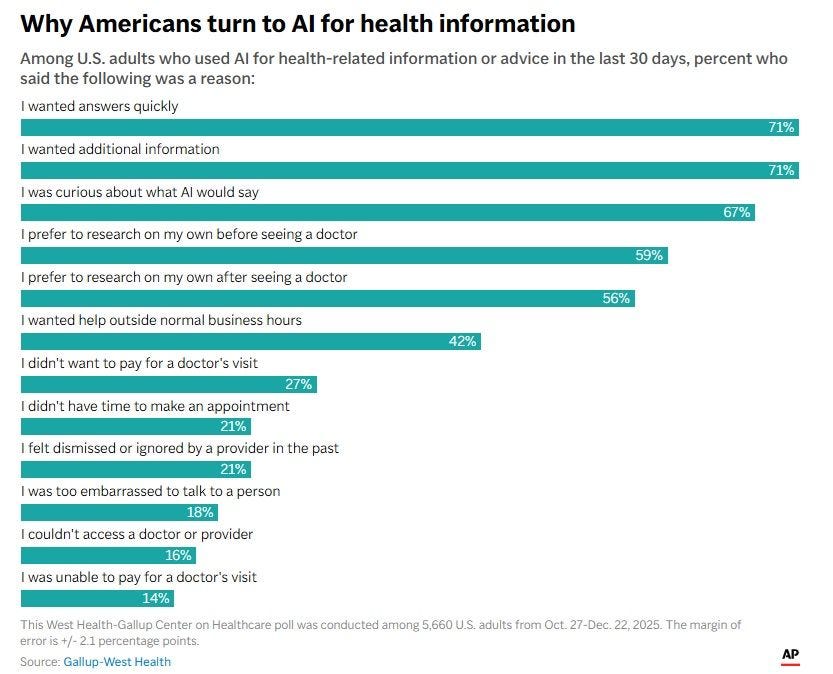
Nearly 1 in 4 Americans now turn to AI tools for health information, most often for speed, convenience, and access outside normal business hours, according to a new AP report drawing on a West Health-Gallup poll of 5,660 U.S. adults. The top reasons cited were wanting quick answers (71%), seeking additional information (71%), and curiosity about what AI would say (67%), while access barriers including cost, time, and feeling dismissed by providers also drove a meaningful share of users. As UC San Diego Health's Chief Health AI Officer Karandeep Singh notes, AI is becoming a more efficient entry point to health information, an evolution of the Google search but with synthesized, conversational answers. “The opportunity here is big, but so is the responsibility to get it right.” (H/t Karandeep Singh)

The value-based kidney care market is moving fast. Our VBC Market Intelligence covers 500+ data points across 10 leading models, tracking $40B in managed spend across 1.5M patients. Whether you're operating in the VBC space or building products for these workflows, this is your guide to who's doing what and where the market is heading.
Research
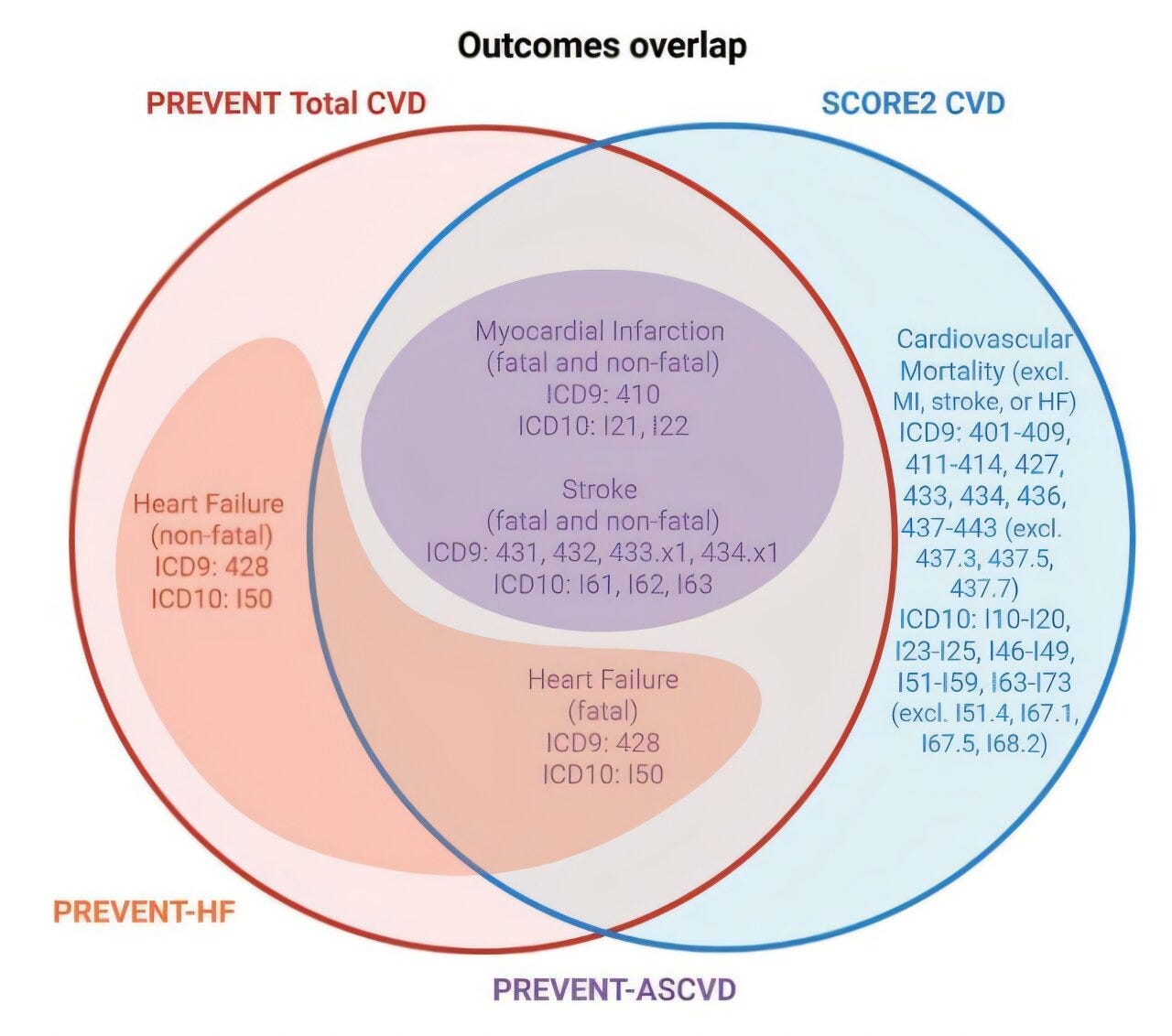
The largest-ever global validation of two leading cardiovascular risk tools, the AHA's PREVENT equations and the ESC's SCORE2, finds both perform comparably well across diverse geographies and clinical settings, according to a new open-access study in Nature Medicine spanning 60+ trials and observational cohorts enrolling nearly 6.5 million individuals. A notable finding for the kidney community: adding albuminuria to either model meaningfully improved risk discrimination, particularly for heart failure, reinforcing the case for routine albuminuria measurement across the cardio-kidney-metabolic spectrum. The findings support broader adoption of both tools for cardiovascular risk stratification globally and strengthen the clinical rationale for integrating kidney biomarkers into standard cardiovascular risk assessment. (H/t Brendon Neuen)
The ERA's most recent Annual Report, covering 2023, reveals that the cause of kidney failure remains unknown in 20% of cases, with many likely misclassified as renovascular or hypertension-related. The report also highlights striking incidence variation across Europe and within individual countries, pointing to gaps in diagnosis, classification, and surveillance that persist across healthcare systems. A useful benchmark for anyone tracking the global epidemiology of kidney failure. (H/t Andreas Kronbichler)
Novartis, Novo Nordisk, and University of Pennsylvania colleagues have identified a nine-protein blood signature that may predict which individuals with high-risk APOL1 genotypes are most likely to experience rapid kidney function decline, according to a new study in Nature Medicine. The signature was identified and validated through large-scale protein profiling of more than 850 individuals and could enable earlier, more targeted intervention for a population that faces disproportionate rates of kidney failure. Beyond clinical application, the findings may also inform trial design and drug development strategy for APOL1-targeted therapeutics. (H/t Fiona Marshall)
MEDA-PKD is a new real-time analytics platform designed to advance precision care in ADPKD, integrating clinical, imaging, laboratory, patient-reported, and omics data from 1,735 patients into a continuously updating interactive dashboard. A standout finding from the platform: real-world longitudinal data showed tolvaptan reduced kidney function decline by roughly 27%, closely mirroring pivotal trial results and validating the approach for monitoring therapeutic impact in practice. The preprint positions MEDA as a model for continuously learning health systems and scalable precision medicine infrastructure well beyond ADPKD. (H/t Roman-Ulrich Müller)
Population modeling across 1.2 million genomes suggests a substantially underdiagnosed cohort of NPHS2-related FSGS in the United States, largely driven by an adult-onset variant combination that may be going unrecognized in clinical practice, according to a new study combining genomic databases with real-world genetic testing data from Natera's Renasight panel. Roughly 77% of predicted US cases involve R229Q compound heterozygosity, an adult-onset genotype partly explained by the A284V variant prevalent in individuals with admixed American ancestry, a population not well captured by existing FSGS screening frameworks. The findings strengthen the case for routine genetic screening in adult FSGS, both to guide immunosuppression decisions and to stratify patients for emerging targeted therapies. (H/t Wen Yi Ding)
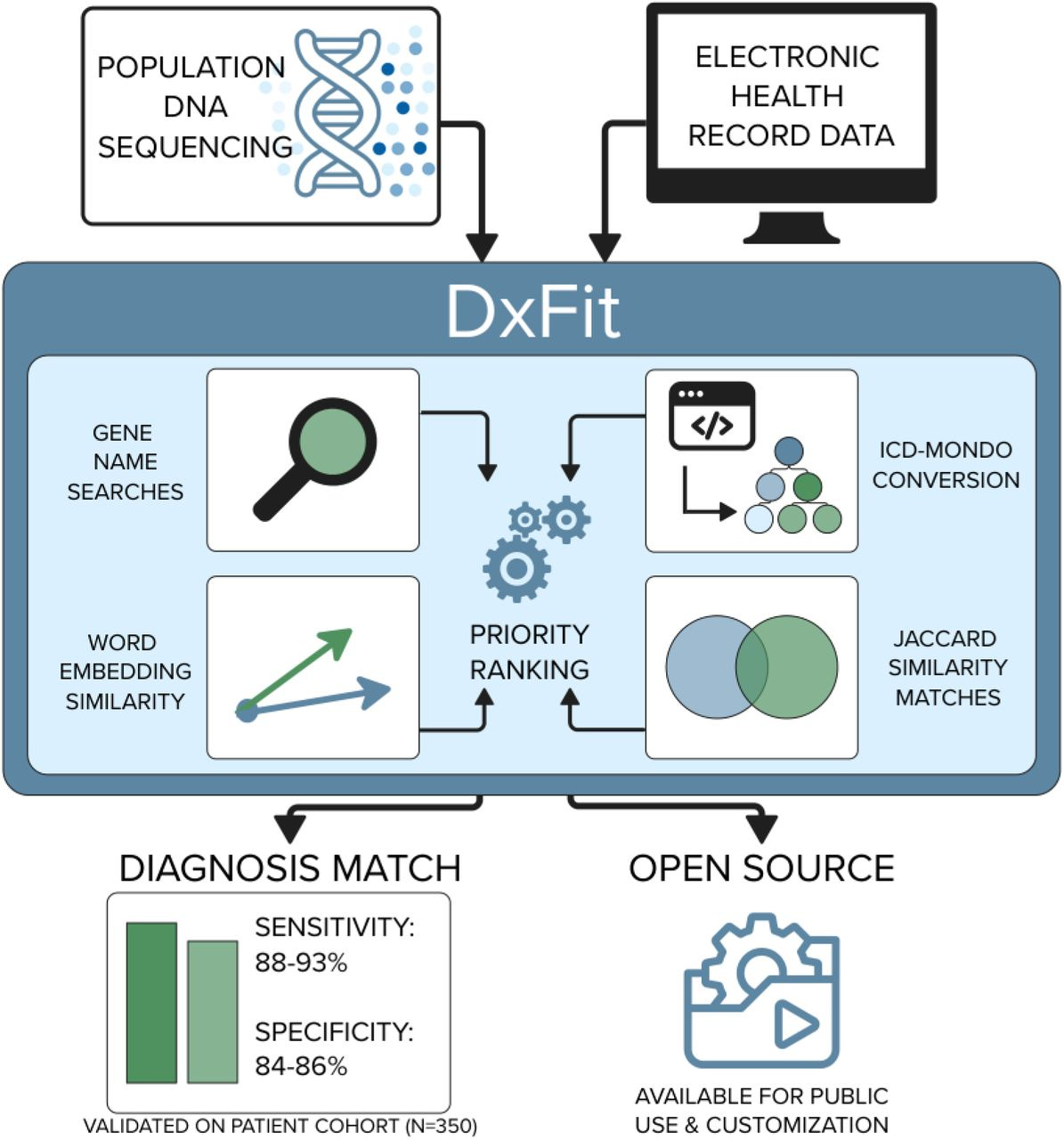
Geisinger researchers have released DxFit, an open-source tool that matches genetic disorder findings to EHR diagnoses, addressing a persistent bottleneck in population genomics research where confirming disease manifestation from billing codes and clinical records is slow and inconsistent. The ensemble approach combines four strategies including gene name searches, ICD-to-Mondo ontology mapping, word embedding similarity, and Jaccard matching, achieving sensitivity of 88.7% and specificity of 86.2% on a cohort of 350 patients with confirmed genetic diagnoses. As genomic-first approaches become more common in kidney and rare disease research, tools like DxFit that can validate phenotypic expression at scale in real-world EHR data will be increasingly valuable for prevalence and penetrance studies. (H/t Rebecca Torene)
ORGAN TRANSPLANT
Recipient risk, not donor quality, is the dominant driver of long-term lung transplant survival, according to a retrospective UNOS registry analysis of more than 20,000 lung transplants from 2018 to 2025. Low-risk recipients tolerated extended-criteria donor lungs without any meaningful survival penalty, while high-risk recipients had worse outcomes regardless of donor quality. The findings have direct implications for organ allocation strategy across solid organ transplantation, supporting broader use of extended-criteria donors when matched to appropriate recipients. (H/t Rajat Walia)
Tracking donor-derived cell-free DNA (dd-cfDNA) trends in the eight weeks following kidney transplant rejection may help clinicians predict which patients will recover and which will not. That’s according to a prospective multicenter study published in AJT that included 66 biopsy-proven rejection cases. Researchers identified four distinct dd-cfDNA trajectory patterns, two favorable and two unfavorable, with favorable trends associated with 60 times higher odds of positive outcomes and 13 times higher odds of resolving kidney dysfunction at one year. The findings position dd-cfDNA as a dynamic, noninvasive tool for post-rejection risk stratification rather than a one-time diagnostic snapshot. (H/t Yasir Qazi)
A centralized normothermic machine perfusion (NMP) service rescued 90% of donor kidneys that had already been declined through standard allocation, according to a new study in AJT led by 34 Lives CEO Chris Jaynes. Despite longer cold ischemia times, kidneys that underwent NMP experienced significantly lower rates of delayed graft function compared to non-NMP kidneys (26% vs. 60%), with similar overall graft survival. The authors note that additional follow-up is needed to determine long-term graft function outcomes. (H/t 34 Lives)

A Letter to the Editor in Transplant International makes the case that aerial drone transport of donor organs is transitioning from proof of concept to clinical readiness, with current fully electric models reaching speeds of 100 km/h and ranges over 100 km, and larger hybrid drones capable of 500+ km range with 40 kg payload capacity. Beyond speed, the authors highlight logistical, economic, and safety advantages including reduced cold ischemia time, lower carbon footprint, and elimination of the fatigue and accident risk that comes with overnight road transport by surgical teams. Regulatory frameworks remain the primary barrier, as medical drone operations are currently governed by civilian aviation law, and dedicated aerial networks for organ transport will require targeted policy engagement to become a clinical reality. (H/t Joe Scalea)
Despite improved early outcomes, long-term kidney transplant graft survival has plateaued and is now declining, according to a new single-center cohort analysis of 50 years of transplant data published in Transplantation Journal. The trend is driven by older, more comorbid recipients and a rise in infection-related deaths in the modern era. The findings underscore the need for precision immunosuppression tailored to an aging, comorbid transplant population.
Researchers at UHN have built AI-powered digital twins of human lungs trained on 951 organs from the world's largest ex vivo lung perfusion dataset, enabling the physical organ to receive a treatment while its digital counterpart serves as the untreated control in the same experiment. The approach uses paired causal inference to detect drug efficacy with just 6 lungs rather than the roughly 18 required by traditional methods. While developed for lung assessment, the underlying framework points toward a broader shift in preclinical evaluation across solid organ transplantation and beyond. Is anyone working on this approach for kidneys? (H/t Bo Wang)
POLICY & PAYMENT MODELS
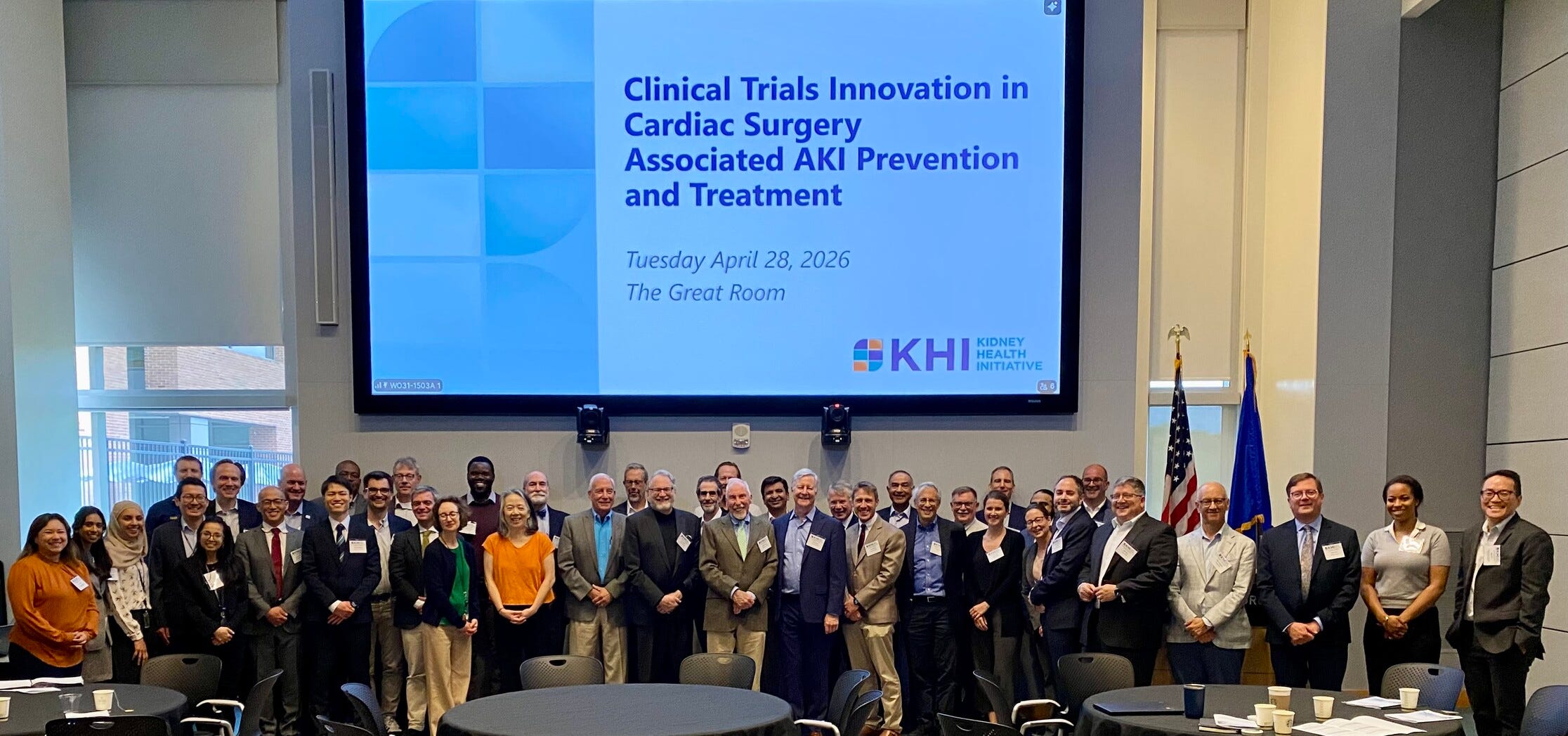
Three FDA workshops held in the past month reflect a kidney research community actively wrestling with two foundational questions: for whom are we developing treatments, and for what outcomes? Efforts spanning Alport Syndrome, congenital kidney diseases (CAKUT), and acute kidney injury following cardiac surgery each revealed the same underlying challenge: clinical definitions built for patient care are too imprecise to anchor drug development. Highlights include the launch of the ASSENT surrogate endpoint network for Alport Syndrome, a CAKUT Road to Trial Readiness Summit co-hosted by the Kidney Future Foundation and FDA, and a KHI-FDA workshop on cardiac surgery-induced AKI that is expected to yield a forthcoming manuscript on alternative primary endpoints. (H/t Mark David Lim)
Three major Medicare payment rules affecting nephrology are currently under OMB review and on track for their typical late June or early July release, including the Physician Fee Schedule, ESRD Prospective Payment System, and the Hospital Outpatient and Ambulatory Surgical Center Payment System. No surprises in the timing, but the simultaneous movement of all three rules makes this a consequential window for the specialty. Worth watching as proposed rules drop this summer. (H/t Rob Blaser)
The FDA issued a public call this week for input on drug repurposing, inviting patients, clinicians, researchers, and stakeholders to identify already-approved drugs that may have untapped potential for diseases with significant unmet need, including metabolic diseases, rare diseases, and neurodegenerative conditions. The agency is seeking nominations for priority disease areas, drug candidates with existing supporting evidence, and input on the barriers that currently limit repurposing development. Submit a public comment here.
CMS Innovation Center leaders Jacob Shiff and Abe Sutton published a JAMA Perspective laying out the rationale behind the ACCESS Model and its Outcome-Aligned Payment approach, which shifts reimbursement away from activity-based billing toward measurable clinical improvement relative to each patient’s baseline. The model covers four chronic condition tracks including a cardio-kidney-metabolic track spanning hypertension, CKD, diabetes, and atherosclerotic cardiovascular disease, and allows care to be delivered in person, virtually, or asynchronously. The core argument is that fee-for-service has long distorted healthcare technology toward billing optimization rather than clinical outcomes, and ACCESS is a structured attempt to realign those incentives. (H/t Christian Pean)
Three of digital health’s most prominent chronic care companies, Omada Health, Hinge Health, and Teladoc, chose not to apply to CMS’s Medicare ACCESS Model, and a new STAT News investigation (paywalled) digs into why. The core issue appears to be economics: the reimbursement rates CMS will pay don’t pencil out against what these companies currently earn per user. Omada CEO Daniel Perez was blunt, saying the model “will not improve outcomes, will not improve the experience, and will most certainly not reduce costs.” (H/t Mario Aguilar)

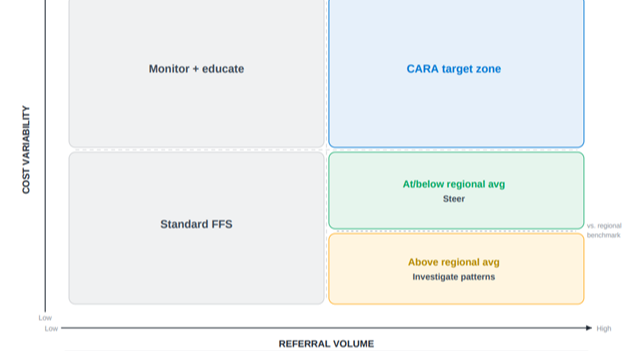
A volume-versus-variability framework and the emerging CARA model together offer ACOs a practical roadmap for specialist engagement, with Zach Davis outlining both the analytics methodology and the CMS infrastructure being built around it. The framework maps specialties by region into four quadrants suggesting distinct strategies from referral steering to episode-based risk arrangements, with high-volume, high-variability specialists representing the clearest opportunity for meaningful savings. For nephrology, the implications are direct: nephrologists managing CKD and ESRD patients frequently land in that high-opportunity quadrant. CARA formalizes this approach for Global Risk ACOs beginning in 2028, but Zach's core point is that the underlying work, running episode-level analytics on claims data, benchmarking against risk-adjusted national data, and identifying spend drivers at the episode level, is work ACOs can and should be doing today. (H/t Zach Davis)

Credit: Zach Davis
TECH-ENABLED CARE
A new Axios piece covers the Peterson Health Technology Institute's report on administrative AI, highlighting a shift in how investors are approaching diligence on these tools. The core question is no longer whether AI saves time in the back office, but whether deployment is actually reducing system-level costs and improving patient outcomes. PHTI's Executive Director, Caroline Pearson, notes that answering that question requires measuring the right things and addressing misaligned incentives, not simply automating workflows that were already broken. (H/t Caroline Pearson)
Virta Health’s nutrition-based treatment produced significant, lasting reductions in nearly all markers of systemic inflammation (19 of 21) in a new peer-reviewed study published in Endocrine Research, including a 35% improvement in hsCRP at one and two years. Unlike FDA-approved drugs that target inflammation narrowly, Virta’s individualized dietary approach achieved broad-spectrum effects across multiple markers simultaneously. The findings add to a growing body of published outcomes spanning glycemic control, liver disease, cardiovascular risk, and now inflammation, suggesting a single intervention may address several root drivers of chronic metabolic disease. (H/t and congrats, Sami Inkinen and team)
Community

Lewisburg nephrology teams celebrated home dialysis success with a patient-centered event at the historic Campus Theatre, bringing together patients, care partners, and a multidisciplinary care team to highlight the human side of kidney care. The event emphasized patients and their families as the drivers of their own health journeys, with clinicians intentionally stepping back to let patient voices lead. A meaningful moment for nephrology fellows to see team-based, patient-centered care modeled in practice. (H/t Maria Camila Bermúdez)
Over 100 nephrologists and practice leaders gathered in Atlanta for the RPA and ISGD Clinical Trials Bootcamp, united around a vision of embedding research as a core component of community nephrology practice rather than an optional add-on. The tone was set early by program chair Katie Westin Kwon: "We are no longer just in the business of providing dialysis, the name of the game is remission." Practical sessions covered everything from budget planning and operational infrastructure to staff investment and site-building strategy, with a consistent message that starting small, starting simple, and learning from study monitors is the fastest path to a sustainable research program. A timely reminder that when community practices participate in trials, they expand access to emerging therapeutics for the patients who need them most. (H/t ISGD and Sarah Dixon Stump)
A recent HCPLive roundtable with leading nephrologists captures both the progress and persistent gaps in APOL1-mediated kidney disease, now 15 years after the genetic discovery that reshaped our understanding of kidney disease risk in populations with West African ancestry. Roughly 14% of African Americans carry the high-risk genotype, yet 80% of carriers will never develop kidney failure, making prediction the central unsolved problem. Targeted therapies are advancing through late-stage trials, but guideline gaps and payer coverage remain equity challenges that could limit who benefits when approvals arrive. (H/t Pranav Garimella)
The FDA's recent rejection of REGENXBIO's gene therapy application is part of a broader pattern signaling that the evidentiary bar for advanced therapeutics is rising, and a new BioSpace opinion piece by Revalia Bio's Jenna DiRito argues the core problem is structural. Late-stage failures in gene and cell therapy often trace back to early-stage evidence built on animal models and simplified systems that don't fully capture human biology, creating uncertainty that compounds through the entire development pipeline. She points to emerging tools including organoids, organ-on-a-chip platforms, and ex vivo human tissue models as ways to integrate human-relevant data earlier and reduce late-stage surprises. (H/t Jenna DiRito, PhD)
Actor Jesse Eisenberg and NYU transplant surgeon Dr. Robert Montgomery joined the Dr. Mike show for a wide-ranging conversation on kidney donation that has already drawn 350,000 views. Eisenberg shares his personal decision to donate a kidney and the thinking behind it, while Dr. Montgomery covers the 90,000-person transplant waitlist, the donation process, his own heart transplant, and the frontier of xenotransplantation. A rare piece of mainstream media that makes the case for living donation in an accessible, human way worth sharing well beyond the nephrology community. (H/t Macey Levan)
GUIDELINES
KDOQI has published its US commentary on the 2025 KDIGO Clinical Practice Guideline for IgA Nephropathy and IgA Vasculitis, offering implementation context for American clinical practice alongside the international guideline statements. The commentary emphasizes risk stratification as a foundation for treatment decisions and highlights the expanding menu of disease-modifying agents now available to slow IgAN progression. With multiple trials of novel therapeutic mechanisms still ongoing, the work group acknowledges the real challenge of selecting appropriate agents for a heterogeneous disease. (H/t Tarek Abbas)
KDIGO has published the report from its 2025 Green Dialysis Controversies Conference in Kidney International, focusing on how to reduce the environmental footprint of one of medicine's most resource-intensive treatments. Discussions centered on innovation in dialysis technologies, clinical practice, and health systems, with patient perspectives playing a central role in underscoring that sustainability and quality of care are not competing priorities.
The International Society of Nephrology has released three one-page clinical cheat sheets designed to support primary care professionals in identifying and managing kidney disease earlier, covering early CKD identification, cardio-kidney-metabolic health, and kidney replacement therapies including conservative management. Practical, shareable tools for the frontline clinicians most likely to catch kidney disease before it progresses.

Events Calendar
Kidney Innovation Conference (May 20-21 / Washington DC)
Vascular Access Society of the Americas (May 20-22, Salt Lake City)
European Renal Association (June 3-6, Glasgow)
Korean Society of Nephrology (June 11-14, Seoul)
American Transplant Congress (June 20-24 / Boston, MA)
BIO Conference (June 22-25 / San Diego, CA)
GlomCon Hawaii (August 3-7, Maui)
Mayo Nephrogenetics Update (December 4-5 / Jacksonville, FL)
NephCure Support Groups (Ongoing)
Jobs
Nephrologist (Miami, FL) — Kaüna (Say hello!)
Director, Clinical Education & Competency — Monogram
Associate Director, EHS (Arkansas) — Vantive
Clinical Research Associate — Ardelyx
Manager, Market Insights (Rare Disease) — Travere
Director, Marketing (GCS Kidney) — Vertex
Regulatory Affairs Strategy Director — AstraZeneca
Director, Procurement & Sourcing — Akebia
Senior Director, Network Development — Interwell
Senior Manager, Biobank — Amgen
…plus hundreds more at jobs.signalsfs.com
Work with us

Signals Group and Bright Frontier Capital are building the connective tissue of the kidney health ecosystem. Whether you're looking to increase visibility for your work, find strategic partners, navigate and grow your business, we'd love to hear from you.
Learn — Hundreds of articles and interviews in our Data Room
Analyze — Apply our VBC research to your strategy or business
Sponsor — Share your mission with 15,000+ kidney leaders
Share — Tell us what you’re building and explore working together
If something in this month’s recap sparked a thought, question, or you just want to learn more, hit reply. We read every note. Thanks for being here.
This audio summary may include variations in pronunciation and is intended for informational purposes only. For complete accuracy and source attribution, please refer directly to the original written materials and cited sources. Always consult trusted references when interpreting medical or scientific content. Audio summary generated by NotebookLM.
![Signals From [Space]](https://substackcdn.com/image/fetch/$s_!NnOt!,w_96,h_96,c_fill,f_auto,q_auto:good,fl_progressive:steep,g_auto/https%3A%2F%2Fsubstack-post-media.s3.amazonaws.com%2Fpublic%2Fimages%2F688fc47b-7202-4a2e-b4f4-fea2b047ab1b_1500x1500.png)


