![Signals From [Space]](https://substackcdn.com/image/fetch/$s_!IXc-!,w_120,h_120,c_fill,f_webp,q_auto:good,fl_progressive:steep/https%3A%2F%2Fsubstack-post-media.s3.amazonaws.com%2Fpublic%2Fimages%2F9f7142a0-6602-495d-ab65-0e4c98cc67d4_450x450.png)
![Signals From [Space]](https://substackcdn.com/image/fetch/$s_!lBsj!,e_trim:10:white/e_trim:10:transparent/h_48,c_limit,f_auto,q_auto:good,fl_progressive:steep/https%3A%2F%2Fsubstack-post-media.s3.amazonaws.com%2Fpublic%2Fimages%2F0e0f61bc-e3f5-4f03-9c6e-5ca5da1fa095_1848x352.png)
![Signals From [Space]](https://substackcdn.com/image/fetch/$s_!NnOt!,w_144,h_144,c_fill,f_auto,q_auto:good,fl_progressive:steep,g_auto/https%3A%2F%2Fsubstack-post-media.s3.amazonaws.com%2Fpublic%2Fimages%2F688fc47b-7202-4a2e-b4f4-fea2b047ab1b_1500x1500.png)

June was one of those months where the pace of the field and meeting schedule made it hard to keep up. A first-in-class BK virus antibody just found a home at Ipsen. Finerenone landed three simultaneous publications across NEJM, The Lancet, and JAMA, extending its reach across the full CKD spectrum. CAR T-cell therapy opened the door to transplantation for patients who had no other options. Atacicept received accelerated FDA approval, the first therapy to target both BAFF and APRIL in IgA nephropathy. And dialysis facility closures put a quiet crisis back in the spotlight while a new modality takes root.
If you missed it, we also published three pieces worth your time this month: Lisa Bonebrake of the Alport Syndrome Foundation on genetic testing and the push toward approved treatments, Janis Naeve and I on why kidney care became the proving ground for healthcare’s trillion dollar accountability transition, and a guest essay from Kidney Research UK’s Gaia Cantelli on why breakthroughs need shared infrastructure. We also shared our conversation with Dallas Renal Group, Michigan Kidney, and Confido Health on what it actually takes to move AI from pilot into patient-facing workflows.
As always, thanks for being here and for sharing these updates with your networks.1
What’s Inside
News: BK virus M&A, $1.9B for RNA editing, Travere’s BTK deal, Vera gets accelerated approval, Amgen recall, pediatric CRRT, Aetna VBC expansion, kidney disease education and PKD Cures Act
Research: Finerenone across the CKD spectrum, CAR T-cell desensitization, Eledon’s long-term Phase 2 data, Renalytix two-year RWE, HDF mortality, PKD pathway discovery, APOL1 in living donors, first-ever CKM guidelines
Community: FIND-CKD reflections from Glasgow, NKF leadership transition, immunosuppression tolerability, patient-built navigation tools, ANNA’s new micro-credential programs
Events: Kidney innovation, Vascular access, ERA, LSI Asia, Korea’s KSN, Transplant congress, BIO international, Mayo’s nephrogenetics update
Jobs: Strive, Monogram, NIPRO, Otsuka, Travere, DaVita, Biogen, Aledade, Siemens, Mozarc + dozens more on jobs.signalsfs.com

This issue is made possible by Nsight Health. An Optum matched-cohort analysis found that high-risk Medicare patients in Nsight's clinically managed Remote Patient Monitoring (RPM) and Chronic Care Management (CCM) programs saw directionally lower first-year medical spending growth than matched controls, with estimated total medical savings of roughly $2,500 to $3,000 per member per year across hypertension, diabetes, and CKD. All six economic comparisons favored Nsight. Download the Nsight-Optum Economic Study White Paper for the full findings.
News

Ascidian Therapeutics and Eli Lilly have signed a research collaboration worth up to $1.9 billion to develop RNA exon editing therapies for genetic kidney diseases. Unlike traditional gene editing, Ascidian's platform edits RNA rather than DNA, excising disease-causing exons and replacing them with healthy ones without altering the genome itself. Ascidian will lead discovery while Lilly takes on preclinical and clinical development, pairing Ascidian's editing platform with Lilly's renal disease expertise and commercial infrastructure. (H/t Will Maddox)
Ipsen has agreed to acquire Memo Therapeutics for up to 700 million EUR, adding potravitug, a first-in-class monoclonal antibody targeting BK virus, to its rare disease pipeline. BK virus is a serious and common complication in kidney transplant recipients that can lead to graft loss, yet has no approved targeted treatment. Phase II data showed potravitug meaningfully reduced biopsy-proven disease by week 20 with a clean safety profile, and the SAFE KIDNEY III trial is planned for later this year. (H/t Kevin Fowler)
Travere Therapeutics has licensed civorebrutinib, an oral BTK inhibitor, from Everest Medicines in a deal worth up to $1.14 billion, adding a potential pipeline-in-a-product to its rare kidney disease portfolio. The $112.5 million upfront payment gives Travere exclusive global rights outside China and parts of East and Southeast Asia, with initial development focused on primary membranous nephropathy, where proof-of-concept data already exist, followed by FSGS and minimal change disease.
The FDA granted accelerated approval to TRUTAKNA (atacicept), making it the first therapy to target both BAFF and APRIL in adults with primary IgA nephropathy, based on a 46% reduction in proteinuria from baseline and a 42% reduction versus placebo at 36 weeks in the ORIGIN 3 trial. The self-administered weekly subcutaneous injection addresses the immunological drivers of IgAN at the source, with approximately 160,000 U.S. patients estimated to be affected. Full approval remains contingent on eGFR results from the ongoing ORIGIN 3 trial, expected in Q3 2026.
Signals Download: Rare KD Landscape

The FDA has again declined to approve Unicycive's drug for hyper-phosphatemia in dialysis patients, citing manufacturing deficiencies at a third-party facility for the second consecutive year. The company said the complete response letter raised no new concerns about the drug's safety or efficacy, and Unicycive contends the FDA did not inspect the manufacturing site during its review of the resubmitted application. Analysts at Piper Sandler characterized the setback as a manufacturing hurdle rather than a clinical one, and continue to see a path to approval.
Amgen has voluntarily recalled nearly 944,000 bottles of two prescription medications due to foreign substance contamination and manufacturing deviations, including Sensipar (cinacalcet), commonly used to manage secondary hyperparathyroidism in CKD and dialysis patients, and Corlanor (ivabradine), used to treat heart failure. Affected lots include 30 mg Sensipar tablets with expiration dates through late 2028. Patients and providers can check affected lot numbers via the FDA enforcement report.
CareDx has completed the sale of its Lab Products business to Eurobio Scientific for $171.2 million, shedding its global IVD kit portfolio to sharpen focus on U.S. precision medicine testing services and patient and digital solutions. The divested business includes HLA typing and NGS-based monitoring assay kits for solid organ and stem cell transplant recipients outside North America.
Xeltis has surpassed 50% enrollment in its U.S. pivotal trial for aXess, a bioabsorbable vascular access implant designed to transform into a living vessel for hemodialysis, across 20 sites with a target of 140 patients. The device holds FDA Breakthrough Device Designation, and 12-month EU data showed secondary patency comparable to matured fistulas with lower reintervention rates and stronger infection resistance than conventional grafts.
Mozarc Medical has launched the Amecath pediatric short-term catheter, a hemodialysis-validated vascular access solution designed specifically for neonates, addressing a longstanding gap in NICU-based continuous renal replacement therapy. The catheter is engineered for small anatomy and validated for CRRT workflows. Paired with Mozarc's existing Carpediem system, it completes a dedicated pediatric CRRT pathway for the smallest patients.
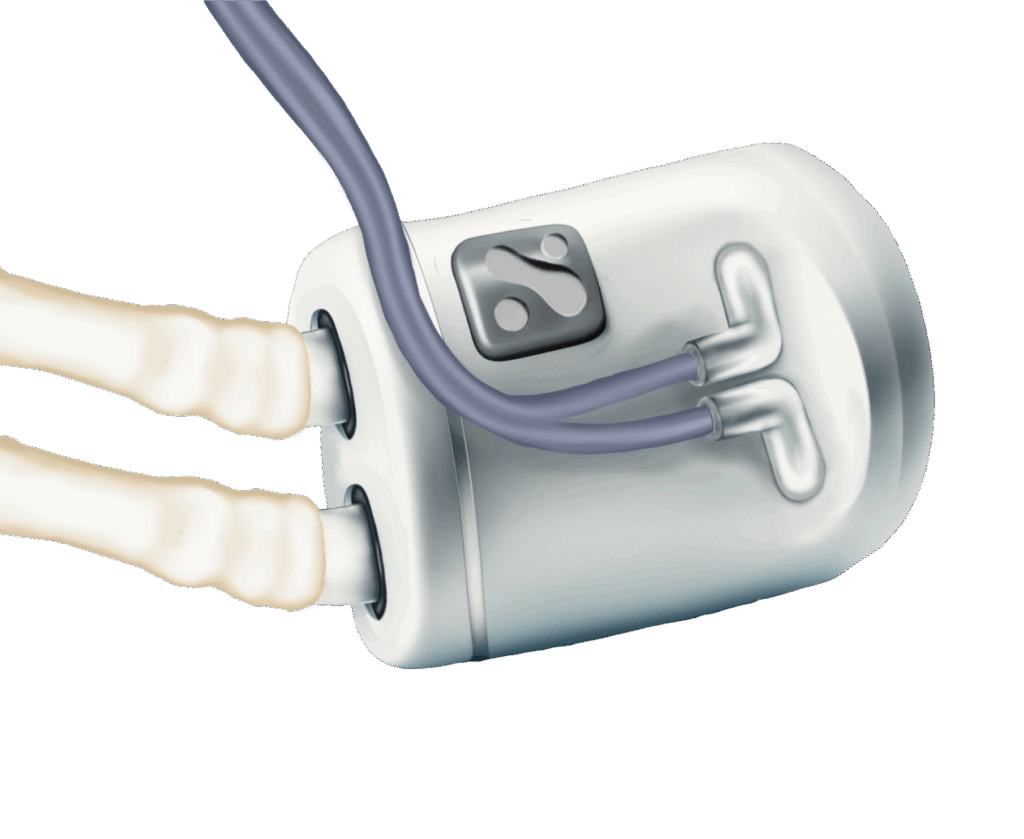
Nephrodite's Holly implantable continuous dialysis system has been accepted into the FDA's Total Product Lifecycle Advisory Program (TAP), making it one of a select group of companies to hold both Breakthrough Device Designation and TAP acceptance. The program provides structured, ongoing engagement with FDA experts to accelerate clinical and regulatory planning, and Nephrodite is now preparing for GLP studies as a precursor to first-in-human trials. (H/t Nikhil Shah)
CARE DELIVERY
Monogram Health has expanded its partnership with Aetna Medicare Advantage into West Virginia, bringing in-home, multispecialty care to eligible members managing CKD, diabetes, heart failure, hypertension, and other chronic conditions. The program now covers more than 53,000 attributed patients across six states, with further expansion planned. West Virginia’s shortage of healthcare professionals makes it a notable target for this model of care delivery. (H/t Bill Frist)
Strive Health has named two senior executives as it scales its model nationwide. Jamie Sharp, M.D., joins as Chief Medical Officer, bringing experience from value-based organizations including Rippl, Aetna, and Evolent Health, with a focus on holistic care for patients managing kidney disease alongside diabetes, heart disease, and hypertension. Chris Rigg takes the CFO role, most recently from Elevance Health, where he oversaw financial strategy for a commercial health plan serving over 32 million members. (H/t Kendall Rejent)
Istios Health has partnered with Americare Kidney Institute to embed clinical research infrastructure into the 15-location Northeast Ohio nephrology practice and expand virtual nephrology coverage for hospitals facing specialist shortages. Istios will handle study operations, regulatory coordination, and sponsor engagement, allowing Americare physicians to participate in cardiorenal-metabolic trials without disrupting patient care.
POLICY & REGULATORY
CMS's ACCESS payment model launched July 5th, enrolling more than 150 healthcare organizations in a pilot that pays providers based on measurable patient outcomes rather than services rendered, with fixed payments as low as $7.50 per patient per month. The model targets chronic conditions including hypertension, heart disease, and diabetes, and is widely seen as a test of whether tech-heavy, AI-enabled care delivery can generate enough value at low reimbursement rates to be sustainable. Commercial insurers have pledged to align outcomes-based payments with ACCESS by 2028, potentially extending the experiment well beyond Medicare. (H/t Axios)
Reps. Suzan DelBene and John Joyce have introduced bipartisan legislation to expand Medicare's kidney disease education benefit beyond its current Stage 4 CKD threshold to reach patients earlier, including those at risk due to diabetes or hypertension. The Kidney Disease Education Access Expansion Act addresses a striking gap: 37 million Americans have CKD, but 87% are unaware. The bill has broad support from across the kidney community, including ASN, NKF, AKF, and more than a dozen other organizations. (H/t Rep. Suzan DelBene)
The PKD Cures Act, the first federal legislation ever introduced specifically targeting polycystic kidney disease, was introduced by a bipartisan group of four House members in early June. The bill directs NIH to expand and intensify PKD research across basic, translational, and clinical science, and establishes a dedicated working group to develop a comprehensive research roadmap. PKD affects more than 500,000 Americans, frequently causing kidney failure and impacting multiple generations within families. (H/t PKD Foundation)
NIH's All of Us Research Program has released data from more than 747,000 participants, making it the world's largest integrated genomics and electronic health record database. The latest release includes over 535,000 whole genome sequences, 1.3 billion genetic variants, and for the first time, proteomics and RNA sequencing data, with more multiomics releases planned. Notably, 86% of participants come from communities historically under-represented in biomedical research, strengthening the dataset's value for studying conditions like CKD and cardiometabolic disease that disproportionately affect those populations. (H/t Josh Denny)

The value-based kidney care market is moving fast. Our VBC Market Intelligence covers 500+ data points across 10 leading models, tracking $40B in managed spend across 1.5M patients. Whether you're operating in the VBC space or building products for these workflows, this is your guide to who's doing what and where the market is heading.
Research
ERA Congress
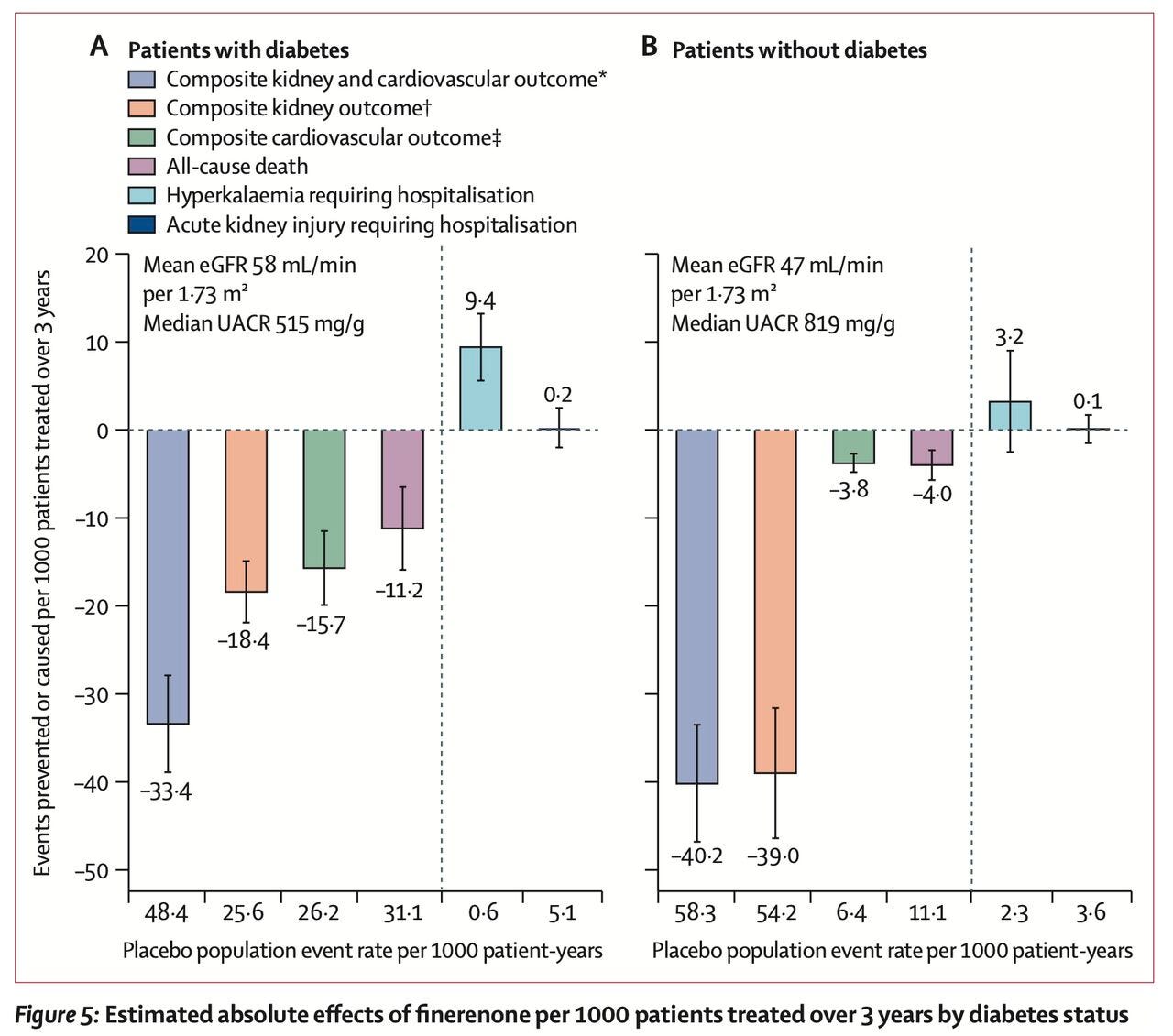
A pooled analysis of 14,574 participants across three randomized trials finds finerenone reduces kidney failure risk and cardiovascular death across a broad spectrum of CKD, regardless of disease cause, glycemic status, baseline eGFR, or albuminuria level. The INFINITY analysis, published in The Lancet, found a 24% reduction in the composite kidney outcome and meaningful reductions in heart failure hospitalization, cardiovascular death, and all-cause mortality versus placebo. Effects were consistent even among patients already on SGLT2 inhibitors, strengthening the case for finerenone as a foundational therapy layered alongside existing treatments. (H/t Brendon Neuen, Hiddo Heerspink & Vlado Perkovic)
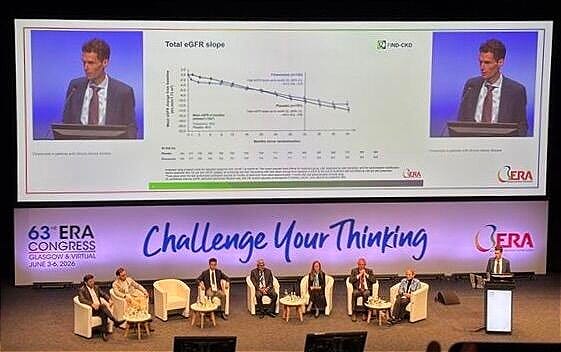
The FIND-CKD trial shows finerenone slows kidney function decline in non-diabetic CKD, extending the drug's proven benefits beyond its original diabetic kidney disease indication. Among 1,584 adults with CKD and albuminuria, finerenone reduced the annual eGFR decline rate from 4.0 to 3.3 mL/min/1.73 m² versus placebo, with a 23% lower risk of a composite kidney or cardiovascular outcome. The NEJM paper adds important breadth to the finerenone evidence base alongside the INFINITY pooled analysis and a companion JAMA study in glomerular disease, collectively making a strong case for finerenone across the CKD spectrum. (H/t Hiddo Heerspink)
A Swedish cohort study of 6,174 adults validates current CKD diagnostic thresholds using directly measured GFR rather than estimates, finding that an mGFR of 60 mL/min/1.73 m² was associated with meaningfully higher rates of all-cause mortality and kidney failure compared with 90 mL/min/1.73 m². The JAMA study also found that the combined creatinine-cystatin C equation tracked most closely with measured GFR in predicting mortality, while creatinine alone underestimated risk and cystatin C alone overestimated it. The findings offer direct empirical support for the 60 mL/min threshold that underpins CKD staging. (H/t Edouard Fu & Antoine Créon)
New research presented at the ERA Congress used UK Biobank and All of Us whole-genome sequencing data to quantify how different COL4A3 and COL4A4 variants affect risk of blood and protein in the urine, finding meaningful differences in pathogenicity between the two genes and across variant types. The findings could support more precise, variant-specific management of Alport syndrome and related type IV collagen (COL4 genes) kidney diseases as genetic testing becomes more widely available. (H/t Alport Syndrome Alliance)
TRANSPLANTATION
CAR T-cell therapy enabled kidney transplantation in two highly sensitized candidates who would otherwise have had few viable options, according to a Phase 1 study published in the New England Journal of Medicine. Both patients had panel-reactive antibody scores of 99.9% or higher, where conventional desensitization has largely failed. The dual CAR T-cell approach targeted CD19 and BCMA to eliminate the cellular sources of preformed anti-HLA antibodies, and Nature called the results ‘transformative.’ (H/t Yasir Qazi)
Long-term data from Eledon's Phase 2 BESTOW trial show tegoprubart maintaining significantly better kidney function than tacrolimus at 18 months post-transplant, with a roughly 12 mL/min/1.73 m² eGFR advantage (74 vs. 61; p<0.05) and no biopsy-proven acute rejection events after the six-month mark. Patient-reported symptom burden also favored tegoprubart at 52 weeks on two validated measures. Eledon completed an FDA End-of-Phase 2 meeting and plans to initiate a Phase 3 trial in late 2026, with non-inferiority to tacrolimus on a composite of rejection, graft loss, and death as the primary endpoint.
A new analysis from the KOAR registry links elevated donor-derived cell-free DNA levels to significantly worse three-year allograft outcomes in 1,258 kidney transplant recipients across 56 U.S. centers, published in JASN. High dd-cfDNA states were associated with 3.7- to 6.4-fold higher adjusted hazards of graft loss, and critically, most elevations occurred while eGFR remained preserved, suggesting the test can detect subclinical injury before function visibly declines.
Daratumumab rescued graft function in all six kidney transplant recipients with recurrent FSGS who had failed standard therapy, with four achieving complete remission and two partial remission, per a case series in Transplant International. One patient who relapsed at 12 months responded to a single retreatment dose. The authors note anti-nephrin antibodies were negative across the board, suggesting other circulating factors may drive disease in some patients, and call for prospective trials. (H/t Parthenopi Avaniadi)
Black kidney donors with high-risk APOL1 genotypes had more than twice the risk of reduced kidney function nearly two decades after donation compared to Black donors without high-risk genotypes, according to a cohort study in JAMA Internal Medicine. The study of 445 Black and 208 White donors found 15% of Black donors carried high-risk APOL1 variants, and the authors recommend routine APOL1 genotyping for all Black living donor candidates as part of the evaluation process.
Deceased donor organ donation fell by 494 donors in 2025, the largest single-year decline in U.S. history, according to a letter in Clinical Transplantation from NYU Langone researchers analyzing OPTN data. Brain-dead donors fell 13.6% while circulatory death donors rose 11.3%, and the steepest declines were among younger donors aged 19 to 30. The authors point to a convergence of high-profile media scrutiny, increased regulatory oversight, and broader erosion of public trust in science as likely contributors. (H/t Macey Levan)
CKD & CARDIOMETABOLIC
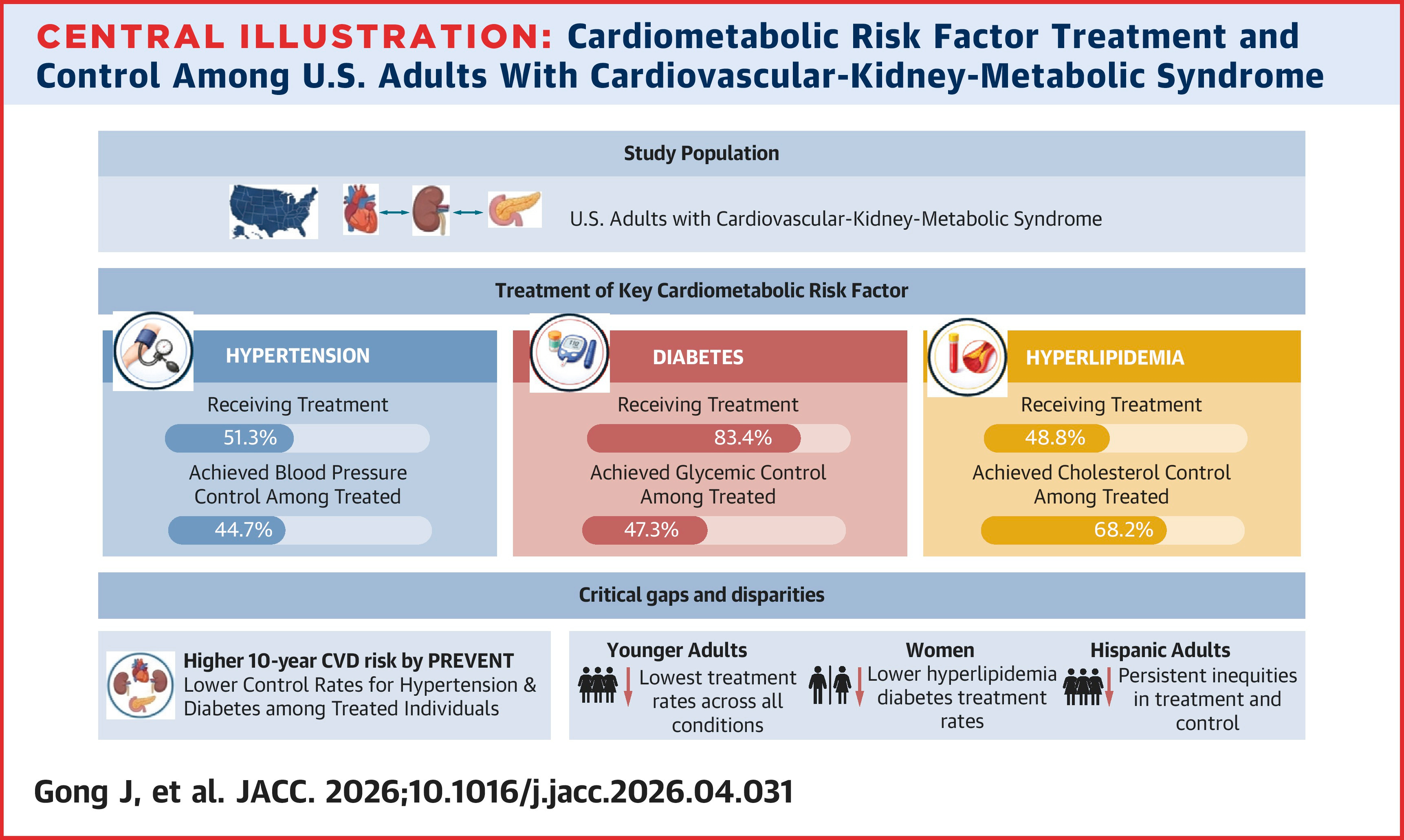
A nationally representative study in JACC finds that roughly half of U.S. adults with CKM syndrome are not being treated for hypertension or high cholesterol, and among those who are treated, fewer than half achieve blood pressure or glycemic targets. Gaps were most pronounced among younger adults, women, and Hispanic adults, and risk factor control was worst in those at highest cardiovascular risk. The findings, drawn from NHANES data spanning 2015 to 2023, underscore that getting patients onto therapy is only half the battle. (H/t Rishi Wadhera)
The American Heart Association and American College of Cardiology have issued the first-ever clinical practice guideline on cardiovascular-kidney-metabolic (CKM) syndrome, published simultaneously in Circulation and JACC. The guideline introduces a four-stage framework to assess interconnected heart, kidney, and metabolic risk, with nearly 90% of U.S. adults carrying at least one CKM risk factor. Key recommendations include earlier screening using the PREVENT equations, attention to social determinants of health, and treatment with GLP-1 therapies and SGLT2 inhibitors for appropriate patients.
Two-year real-world data from 2,470 patients across Mount Sinai and Wake Forest/Atrium Health show Renalytix’s kidneyintelX.dkd test durably shifting disease trajectories in diabetic kidney disease. High-risk patients were 10.4 times more likely to experience significant kidney decline than low-risk patients, and among those retested at one year, 29% moved into a lower risk category. In high-risk patients over two years, eGFR decline improved by 43%, UACR decreased by 23%, and HbA1c dropped by 7.6%. The study, published in Diabetes, Obesity and Metabolism, also found that patients who initiated SGLT2i or GLP-1 therapy had nearly double the odds of achieving risk reduction. (H/t Elise Wilfinger)
UCLA researchers have found that blocking a protein called ENPP1 accelerates kidney repair and reduces scarring after injury in mice, building on prior work showing the same mechanism aids heart tissue recovery after heart attack. ENPP1, produced by injured kidneys, disrupts energy production in damaged cells and impedes regeneration. A drug called AD-NP1, already approved for Phase 1 cardiac trials, showed improved kidney function just seven days after administration in mice, and the team plans to apply for kidney trials.
Mayo Clinic researchers have identified a previously unrecognized kidney pathway for regulating water balance after a 1940s gout drug unexpectedly slowed PKD cyst growth instead of accelerating it. The study, published in the Journal of Clinical Investigation, shows that urate acts as an intracellular signal that concentrates urine independently of vasopressin. In a small clinical trial, adding probenecid to tolvaptan reduced urine volume by roughly 30% and cut nighttime urination significantly, and the team is now working to develop more targeted therapies based on the newly described pathway. (H/t Fouad Chebib)
DIALYSIS
A real-world cohort study of 18,515 incident dialysis patients finds high-volume hemodiafiltration associated with 20% lower all-cause mortality and 29% lower cardiovascular mortality compared with conventional hemodialysis. The study, which followed newly initiated patients across Fresenius NephroCare clinics over a median 15.7 months, found consistent benefits across demographic and clinical subgroups. Prior evidence for HDF's survival advantage has come largely from prevalent patients with longer dialysis exposure, making this incident-patient focus a meaningful addition to the literature. (H/t Kamyar Kalantar-Zadeh)
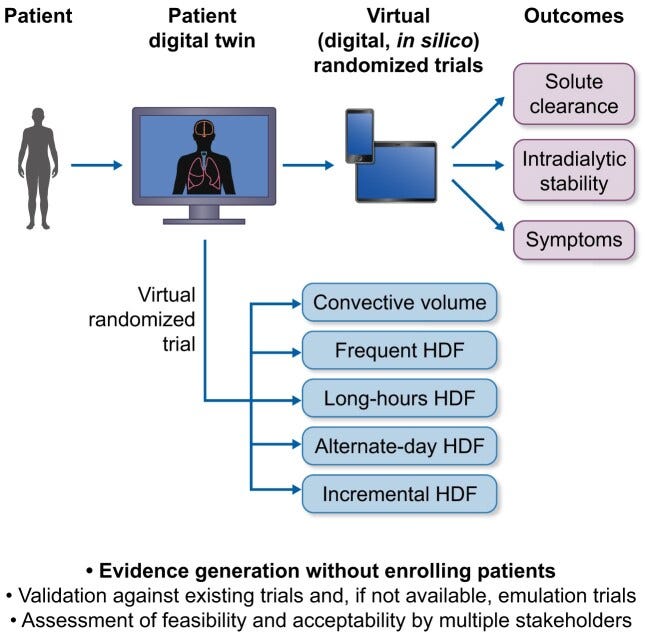
A narrative review in CKJ argues the case for hemodiafiltration is settled and the field should shift from more trials to implementation, citing the CONVINCE trial's 23% all-cause mortality reduction and consistent cardiovascular benefits across meta-analyses. The review calls for formal clinical guidelines rather than consensus statements, and outlines a research agenda centered on real-world implementation, patient-reported outcomes, mechanistic understanding, and personalized HDF regimens. The authors pointedly warn that nephrology's track record of 10 to 15 year delays in translating evidence to bedside practice is a risk the HDF field cannot afford to repeat. (H/t Giovanni Strippoli)
POLICY & PAYMENT
A coalition of major U.S. pharmacy organizations and the National Kidney Foundation is calling for a nationwide shift from the Cockcroft-Gault equation to the 2021 CKD-EPI race-free eGFR formula for medication dosing decisions. The Cockcroft-Gault equation, developed from just 249 white male participants, has known accuracy and equity limitations that modern eGFR equations address. The transition aligns with current FDA guidance and is already gaining traction across research and clinical settings, though broad implementation will require coordinated action across health systems, labs, and educators. (H/t Wendy St Peter)
An AJKD editorial argues that dialysis facility closures are fraying a fragile lifeline for the more than 550,000 Americans dependent on in-center hemodialysis, with contraction falling hardest on rural and Medicaid-heavy facilities. The piece traces the pressures driving closures: tight Medicare FFS margins, unpredictable commercial and MA revenue, labor costs, and a dialysis population that has shifted but not grown. The authors warn that absent regulatory intervention, further consolidation favoring large publicly held providers is likely, leaving patients in rural and underserved areas with longer travel times or no local option at all. (H/t Allison Reaves, Caroline Hsu & Daniel Weiner)
Community
FROM THE FIELD
The FIND-CKD team marked a milestone week at the ERA Congress in Glasgow, where three companion analyses were published simultaneously in NEJM, JAMA, and The Lancet, collectively showing finerenone reduces kidney failure, cardiovascular events, and mortality across the full spectrum of CKD regardless of diabetes status or disease cause. Lead investigator Brendon Neuen said he hopes the data "will forever change how kidney disease is treated," while Bayer's Meike Daniela Brinker credited the years of coordinated effort across 24 countries that made it possible. (H/t Brendon Neuen & Meike Daniela Brinker)
KidneyCure, the research arm of ASN, named 34 new grant recipients this month, joining 22 continuing grantees in a cohort representing over $4 million invested in the kidney research pipeline for 2026. Projects span CYP24A1 targeting for secondary hyperparathyroidism, immunomodulatory mechanisms in polycystic kidney disease, and cardiovascular risk after transplantation.
The Kidney Health Initiative’s Patient and Family Partnership Council is building a tolerability framework for immunosuppression drug development, modeled on approaches from oncology and grounded in a landmark survey of over 10,000 transplant recipients. A recent workshop at the Kidney Innovation Conference surfaced the lived reality behind the data: infection risk limiting career choices, fatigue and brain fog affecting work and family life, and patients who periodically reduce their own doses to function. The effort reflects a broader push to move beyond one-size-fits-all immunosuppression toward personalized regimens that reflect individual quality-of-life priorities. (H/t Mark David Lim)
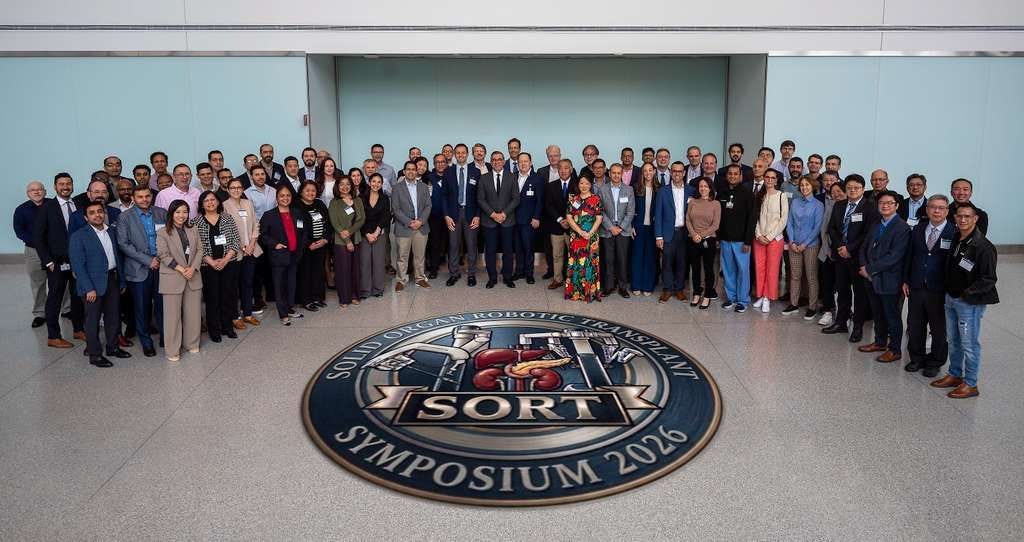
Tufts Medicine welcomed Phillipe Abreu, MD, PhD, as Director of Transplant Robotic Surgery as its team participated in the Solid Organ Robotic Transplant Symposium at Cleveland Clinic. Abreu brings expertise across abdominal transplant surgery, robotic techniques, and transplant oncology as Tufts continues building out its robotic transplant platform. (H/t Sharon Klarman)
Monogram Health’s Chief of Palliative Care Alan Chiu argues in Becker’s Healthcare that palliative care’s potential is stunted by its persistent association with end-of-life care, and that value-based models offer the financial environment needed for it to thrive earlier in the disease course. Chiu outlines how Monogram integrates geriatric medicine principles with palliative care frameworks for patients managing CKD, heart failure, diabetes, and other chronic conditions in the home.
The American Nephrology Nurses Association has launched a new Microcredential Program, starting with a CKD-focused offering covering the full continuum from early detection through kidney replacement therapy and conservative management. The competency-based program awards 12 continuing education contact hours and is priced at $200 for ANNA members and $250 for nonmembers. Future microcredentials in palliative care and vascular access are planned. (H/t Bridget Wilson)
COMMUNITY VOICES
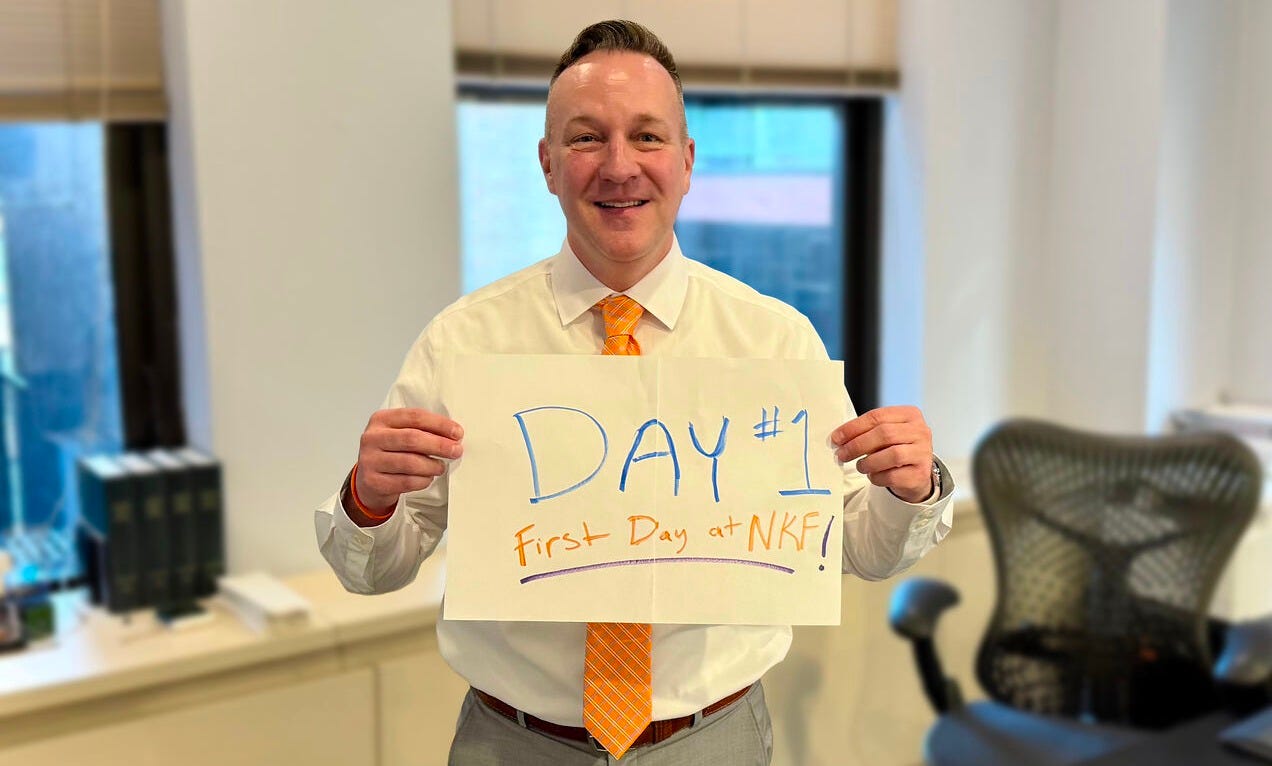
The National Kidney Foundation marked a leadership transition on July 1st, as Dr. Marc Hurlbert officially began his tenure as CEO, succeeding Kevin Longino who led the organization for 11 years. Hurlbert brings more than 25 years across research, patient advocacy, and health equity, and a personal connection to the mission as a CKD care partner for his brother. In a farewell letter, Longino reflected on a decade that saw NKF become debt-free, advance landmark legislation including the Immuno Bill and Advancing American Kidney Health Act, and build CKDintercept into a national early detection movement. He signed off simply: "¡Viva la Revolución!" (Fair winds and following seas, Kevin!)
Elizabeth Schumacher, a kidney transplant recipient on her fourth transplant, wrote a Patient Voice essay in CJASN reflecting on what the SMART trial did and didn't capture about GLP-1 therapy. The trial reassured her that standard kidney function tests remain reliable during significant weight loss on semaglutide, but she pushes further, noting that lean mass loss is the finding clinicians and patients should sit with. Her own experience: GLP-1 plus five-days-a-week strength training post-transplant left her off blood pressure medications and stronger than before. "The trial answered the kidney-safety question," she writes. "The body-composition question is only half answered by the medication." (H/t Elizabeth Schumacher)
Biogen is advancing a Phase 3 clinical study targeting CD38 to address antibody-mediated rejection (AMR), the leading cause of long-term kidney transplant failure affecting an estimated 23,000 U.S. transplant recipients annually. Current treatments focus on suppressing donor-specific antibodies, but emerging research implicates CD38-positive natural killer cells as an independent driver of rejection, even in patients without detectable antibodies. Targeting CD38 aims to deplete both cell types simultaneously, potentially addressing the two principal mechanisms of rejection in one approach. (H/t STAT)
The American Kidney Fund voiced strong opposition to Medicaid work reporting requirements included in CMS's interim final rule stemming from H.R.1, warning that the requirements are administratively burdensome and could cause patients with ESRD and other serious conditions to lose coverage. AKF specifically flagged that the rule lacks adequate protections for people with complex health needs. NKF also expressed strong concerns when the bill passed the Senate last July.
Deepti Bahel, a kidney transplant recipient and senior data engineer, built the Patient Navigator Hub, a free directory connecting kidney patients and caregivers to trusted support organizations covering financial assistance, peer support, education, and advocacy resources in one place. Deepti shared the site drew more than 700 visitors in its first four weeks. If you know of a resource that should be listed, reach out through the site. (H/t Deepti Bahel)
Events Calendar
Rare Kidneys on the Hill Day (July 22-23)
GlomCon Hawaii (August 3-7, Maui)
RPA APP Workforce Solutions Webinar (August 18, online)
Rare & Genetic KD Drug Development Summit (August 18-20, Boston)
RHA Annual Conference (September 23-26, Savannah)
ASN Kidney Week (October 21-25, Denver)
Mayo Nephrogenetics Update (December 4-5 / Jacksonville, FL)
NephCure Support Groups (Ongoing)
Jobs
Sr. Network Engagement Partner (Detroit, MI) — Strive Health
Director of Sales (US) — NIPRO
Senior MSL, Nephrology (Multiple) — Otsuka
VP, Enterprise Effectiveness (Remote) — Travere Therapeutics
Business Strategy Associate (Remote) — DaVita
Senior Analyst, Provider Partnerships (TN) — Monogram
Manager, Transformation (Remote) — Aledade
…plus hundreds more at jobs.signalsfs.com
Work with us

Signals Group and Bright Frontier Capital are building the connective tissue of the kidney health ecosystem. Whether you're looking to increase visibility for your work, find strategic partners, navigate and grow your business, we'd love to hear from you.
Learn — Hundreds of articles and interviews in our Data Room
Analyze — Apply our VBC research to your strategy or business
Sponsor — Share your mission with 15,000+ kidney leaders
Connect — A sneak peek at something new launching next month… =)
If something in this month’s recap sparked a thought, question, or you just want to learn more, hit reply. We read every note. Thanks for being here.
This audio summary may include variations in pronunciation and is intended for informational purposes only. For complete accuracy and source attribution, please refer directly to the original written materials and cited sources. Always consult trusted references when interpreting medical or scientific content. Audio summary generated by NotebookLM.
![Signals From [Space]](https://substackcdn.com/image/fetch/$s_!NnOt!,w_96,h_96,c_fill,f_auto,q_auto:good,fl_progressive:steep,g_auto/https%3A%2F%2Fsubstack-post-media.s3.amazonaws.com%2Fpublic%2Fimages%2F688fc47b-7202-4a2e-b4f4-fea2b047ab1b_1500x1500.png)


