![Signals From [Space]](https://substackcdn.com/image/fetch/$s_!IXc-!,w_120,h_120,c_fill,f_webp,q_auto:good,fl_progressive:steep/https%3A%2F%2Fsubstack-post-media.s3.amazonaws.com%2Fpublic%2Fimages%2F9f7142a0-6602-495d-ab65-0e4c98cc67d4_450x450.png)
![Signals From [Space]](https://substackcdn.com/image/fetch/$s_!lBsj!,e_trim:10:white/e_trim:10:transparent/h_48,c_limit,f_auto,q_auto:good,fl_progressive:steep/https%3A%2F%2Fsubstack-post-media.s3.amazonaws.com%2Fpublic%2Fimages%2F0e0f61bc-e3f5-4f03-9c6e-5ca5da1fa095_1848x352.png)
![Signals From [Space]](https://substackcdn.com/image/fetch/$s_!NnOt!,w_144,h_144,c_fill,f_auto,q_auto:good,fl_progressive:steep,g_auto/https%3A%2F%2Fsubstack-post-media.s3.amazonaws.com%2Fpublic%2Fimages%2F688fc47b-7202-4a2e-b4f4-fea2b047ab1b_1500x1500.png)

Transplant immunosuppression has changed surprisingly little in decades. Tacrolimus remains the cornerstone of care, but its long-term tradeoffs are well known: kidney toxicity, cardiovascular complications, diabetes, neurologic side effects, and the constant balancing act between preventing rejection and preserving the organ itself.
That’s the problem Dr. Steve Perrin, President and Chief Scientific Officer of Eledon Pharmaceuticals, has spent years working to solve. His path to transplant began decades ago with CD40 ligand (CD40L) research at Biogen, continued through ALS drug development, and ultimately led to tegoprubart (“tego”), Eledon’s investigational immunosuppressive therapy. In our conversation, Steve explains why this pathway went dormant for years, what Eledon is seeing in kidney transplant patients today, and why the same science could eventually play a role across xeno-transplantation, islet cell transplantation, and even immune tolerance.
With Eledon now preparing to test tego head-to-head against tacrolimus in Phase 3, that decades-long scientific story is approaching its biggest test yet.
This is Part 4 in a series exploring the transplant therapeutics landscape and what it will take to unlock a new era of innovation. For more context, see our previous conversations on the iBox decision, patient reported outcomes (PROs), and antibody-mediated rejection (AMR).
Q&A
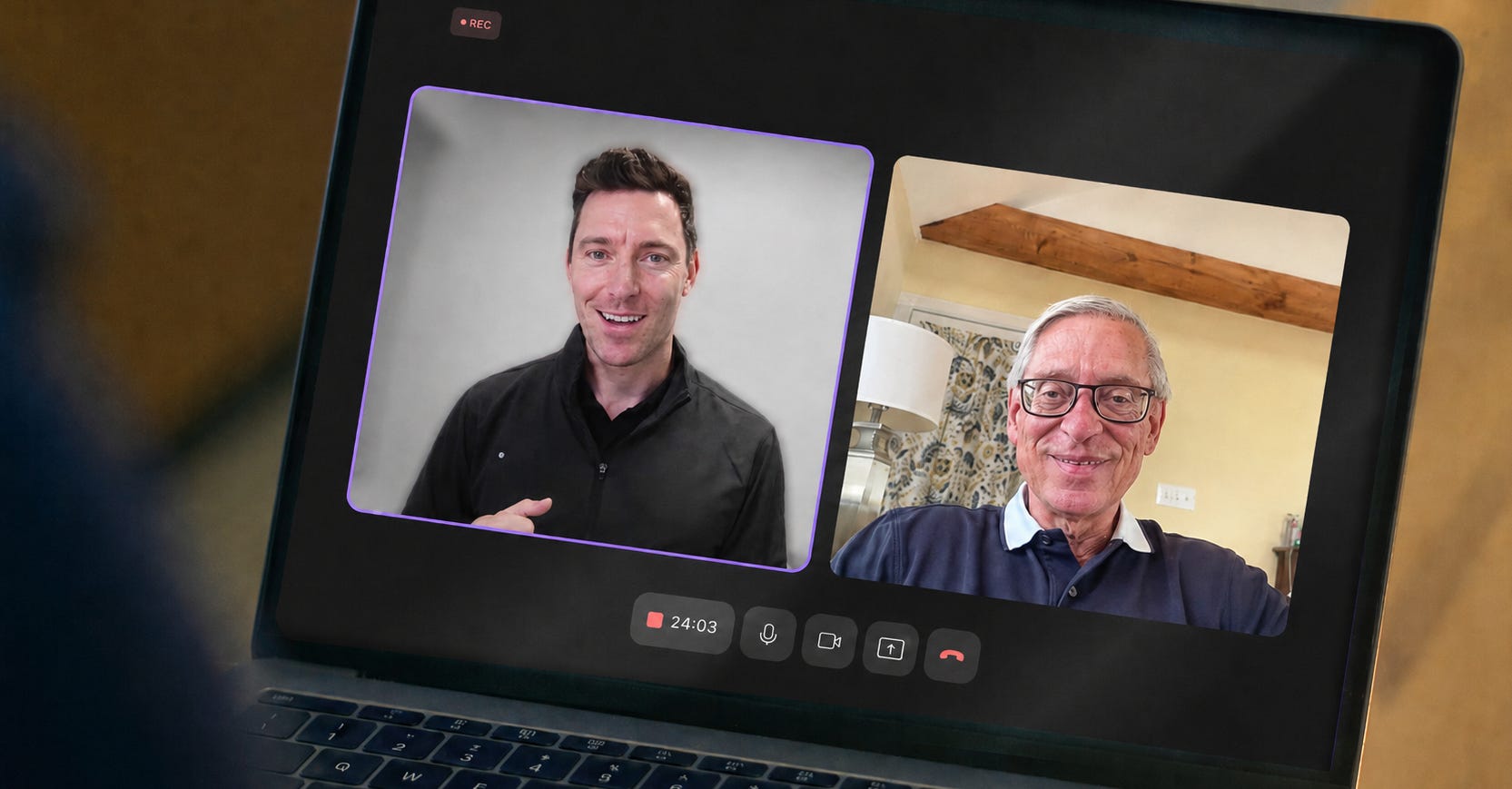
Let’s start with your background. What led you to Eledon?
Steve: I’m a PhD biochemist by training, and I’ve spent the last 25 to 30 years in biotech and pharma, across small startups, big pharma, and even a nonprofit research institute.
The common thread really goes back to the middle of my biotech career, when I was at Biogen. I was there when they put the first anti-CD40 ligand (CD40L) antibodies into the clinic. Those first-generation molecules were showing some positive data in autoimmune indications, but they ultimately ran into safety problems and the programs were put on hold. That was essentially the end of CD40L for the scientific community for probably a decade.
I eventually left Biogen to become CEO of the ALS Therapy Development Institute, a nonprofit research institute focused on ALS drug development. Ironically, CD40L came back into my career there. We were one of the first groups to show that the immune system plays a role in neurodegeneration, not only in ALS but in diseases like Alzheimer’s and multiple sclerosis, and that this immune response was mediated by CD40 ligand signaling.
Once we acknowledged that, we knew we would need a new antibody with a better safety profile. Before forming Eledon, I spent seven or eight years developing what we call a second-generation antibody that would be safer than those first-generation molecules. That became tegoprubart.
We’re obviously incredibly excited about the data we’re seeing now. The drug has appeared to be very safe across multiple patient populations, and the efficacy is looking very encouraging as well.1
Was transplantation always the goal for tegoprubart?
Steve: The roots of tegoprubart are really in ALS because it spun out of that nonprofit research institute, which was laser-focused on ALS drug development.
After forming Eledon and completing Phase 1 studies in healthy volunteers, we immediately launched a Phase 2 study in ALS. We did a biomarker study showing that the drug was hitting its target in humans and modulating the immune system in a predictable way. We moved more than 25 pro-inflammatory signals downward in patients with ALS.
We enrolled the entire study on time during the height of COVID. When we asked patients why they were willing to come into the clinic during COVID, they told us, “I’m not afraid of COVID. I’m afraid of dying of ALS.”
We pivoted toward transplantation for several reasons.
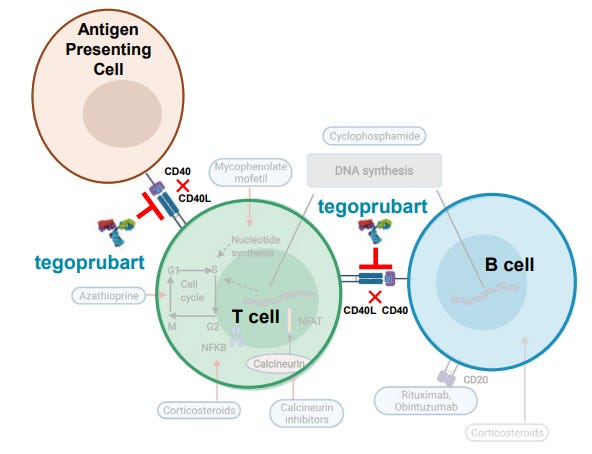
CD40 ligand is expressed on T cells, and it was identified decades ago as one of the crucial pathways controlling activation of both innate and adaptive immunity.2 Blocking it can reduce pro-inflammatory T-cell signaling, but it can also affect B-cell maturation and decrease antibody production. That makes it unique because it can potentially control both T-cell- and B-cell-mediated inflammatory pathways.
And for roughly 30 years, blocking CD40 ligand has been one of the most potent ways to prevent transplant rejection across preclinical models, whether you’re looking at rats, mice, baboons, or rhesus macaques.3
So when we formed Eledon, we pursued ALS but simultaneously initiated a study in patients receiving kidney transplants. The clinical data started to replicate what we had been seeing in animal models for decades.
The other reason is simply the unmet need in transplantation. People sometimes think transplant has been solved. It has not.
The cornerstone of immunosuppression today is tacrolimus. It’s very good at preventing acute rejection in the first year, but transplanted organs still have limited long-term survival, and tacrolimus brings a significant side-effect burden.4
It can be toxic to the kidney, the very organ we’re trying to protect. It can contribute to hypertension and cardiovascular problems. It can lead to diabetes in some patients. And probably one of the most debilitating issues from a patient perspective is its CNS toxicity: brain fog, migraines, headaches, and tremors. That’s what we’re trying to solve.
Our thesis is that tegoprubart can replace tacrolimus as the cornerstone of immunosuppression everywhere, regardless of whether we’re talking about an organ transplant, a cellular transplant, or potentially even a xenotransplant from a genetically modified pig into a human.
If CD40 ligand has looked so promising for decades, why has it taken so long to translate into transplant?
Steve: It really goes back to the Biogen experience in the 1990s. At Biogen, we brought one of the first anti-CD40L antibodies into the clinic. We were seeing efficacy in lupus and in immune thrombocytopenic purpura, or ITP, where the immune system attacks platelets. In the ITP study, platelet counts could increase dramatically after treatment, so we were clearly modulating the immune system.
Unfortunately, we also began seeing side effects involving platelet activation and thromboembolic events, and some patients became quite sick. Biogen put the program on hold. Another company, IDEC, was developing a different anti-CD40L antibody for lupus and began seeing similar problems.
So essentially everyone stopped working on CD40L, even though we knew scientifically that it was a compelling target. It took about a decade to understand why those first-generation antibodies were causing platelet aggregation and thromboembolic events. When I was at ALS TDI and we started seeing exciting data in ALS models, one of the first questions was:
How do we make these antibodies safer?
That’s really what makes tegoprubart a second-generation antibody. We made specific changes to the FC region of the antibody that had contributed to the platelet toxicity seen with those earlier molecules. We engineered that activity out.
What are you seeing so far on safety and efficacy in kidney transplant?
Steve: We’ve been incredibly encouraged by the safety profile of tegoprubart, not only in transplant but across the indications we’ve studied. Transplant adds another layer because these patients are on multiple therapies. They’re not just receiving tegoprubart. They may also be taking low-dose steroids and mycophenolate, so the overall safety profile reflects several drugs.
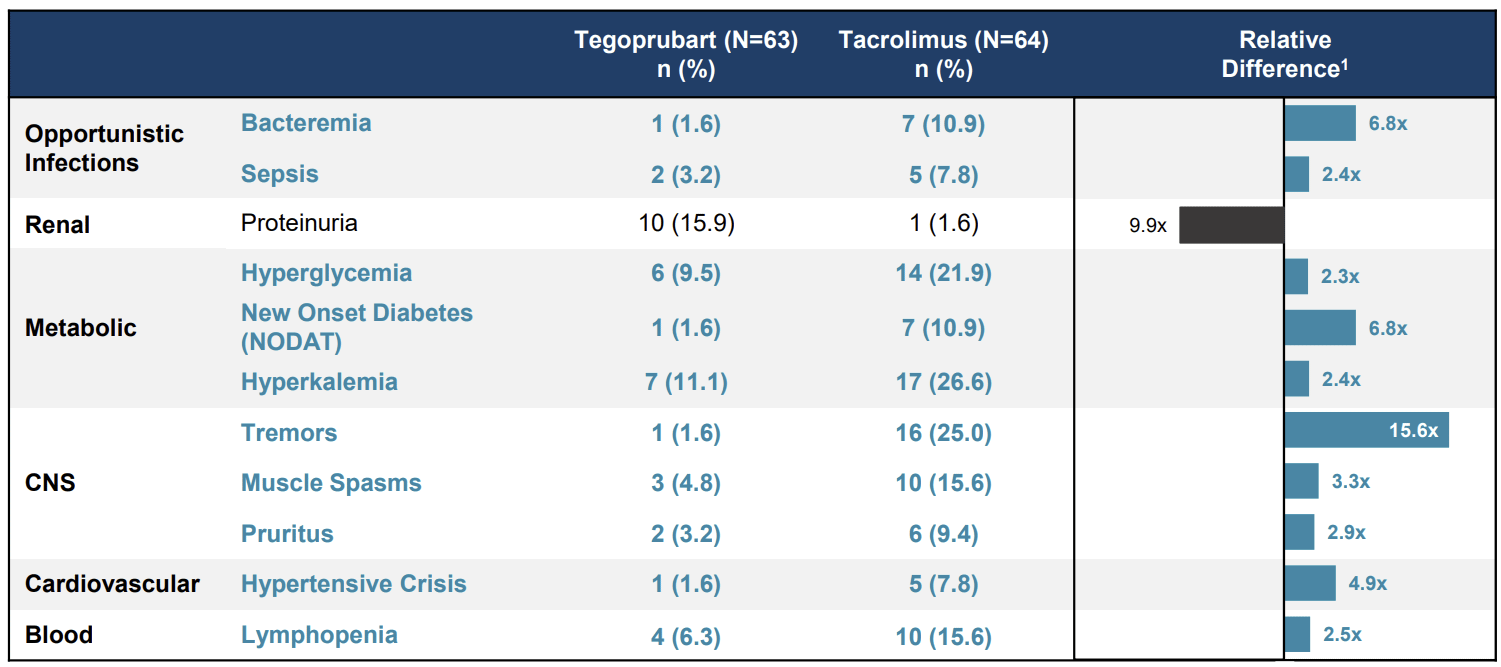
But when we compare tegoprubart with tacrolimus in our BESTOW study, we’re seeing meaningful reductions in many of the side effects associated with tacrolimus. We haven’t seen the same cardiovascular hypertension signal. We’ve seen fewer hospitalizations related to cardiovascular side effects. We saw almost no new-onset diabetes in the tegoprubart arm. Infection rates were about the same, which was important because we don’t appear to be increasing infection risk relative to standard of care. We also haven’t seen the same brain fog, headaches, and other CNS effects associated with tacrolimus.
There’s a convenience component as well. Tegoprubart is administered once every three weeks by IV infusion and doesn’t require the same constant therapeutic drug monitoring that tacrolimus does. Physicians have to continually adjust tacrolimus dosing and monitor drug levels. From a safety perspective, the BESTOW data have been very encouraging, and that has continued as we’ve followed patients beyond the 12-month endpoint.
On efficacy, the longer-term kidney function data are particularly exciting.
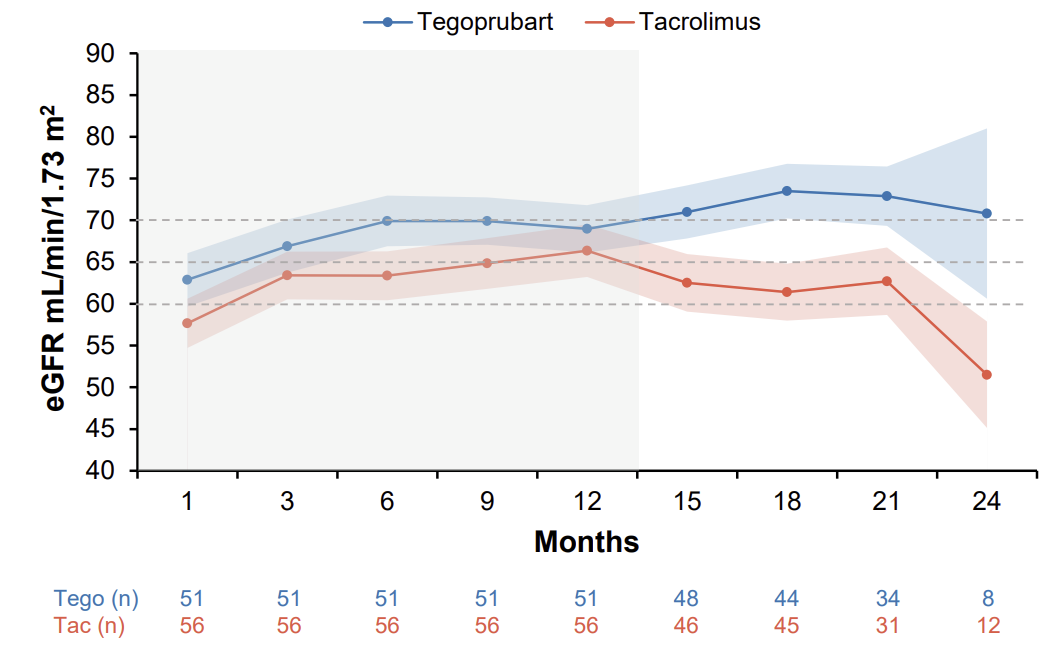
Kidney function is one of the best long-term predictors of graft survival, so the better the kidney function, the more likely that graft is to survive over 10, 15, or 20 years.
On rejection, by 21 months there were 13 rejections in the tegoprubart arm and 11 in the tacrolimus arm, so numerically they were relatively similar. But we haven’t seen a rejection in the tegoprubart arm since six months post-transplant, while rejections have continued in the tacrolimus arm.
We’re also beginning to see some of the types of rejection that tacrolimus has difficulty protecting against over time, including antibody-mediated rejection, which can be very difficult to treat.
Another interesting observation is among patients who experienced a rejection while receiving tegoprubart. Those who remained on tegoprubart afterward had substantially better kidney function than those who switched to tacrolimus.
So many of the things we’ve understood about this pathway from 30 years of preclinical work are beginning to look promising in human kidney transplant studies.
Where does xenotransplantation fit into this?
Steve: There are really two ways to address the shortage of transplantable kidneys. You can make transplanted organs last longer through better immunosuppression, which is what we hope tegoprubart can accomplish. Or you can find new sources of organs.
That’s where xenotransplantation comes in. There are several groups working in the field globally, with United Therapeutics and eGenesis among the largest here in the U.S. We’ve worked with both. We’ve participated in a cardiac xenotransplant using United Therapeutics’ porcine hearts, and we’ve been involved in several kidney xenotransplants using eGenesis kidneys at Mass General.
One thing the field has increasingly coalesced around is that while we’re still learning exactly which genetic modifications are needed to make pig organs compatible with humans, blocking the CD40 ligand pathway appears to be very important to the immunosuppressive regimen. Tacrolimus alone simply doesn’t appear potent enough to protect these organs.
The first organs didn’t survive very long. There were surgical complications and immunosuppression protocols had to evolve. But survival has continued to improve, and we’re now seeing graft survival measured in many months and, in some cases, approaching a year. The field is moving very quickly.
You have a busy pipeline beyond kidney transplantation. What are your priorities over the next 12 to 18 months?
Steve: We have a very busy 12 to 18 months ahead of us. First, we’re planning to launch our Phase 3 study in kidney transplantation. We’ve had very good interactions with regulatory authorities, including FDA in the U.S. and EMA in Europe, around a path toward a registrational Phase 3 trial.
We expect it to be a large global study, probably around 600 patients, randomized one-to-one against tacrolimus across more than 100 sites in roughly 24 countries. It will be the first head-to-head study against tacrolimus designed to support registration, so we’re very excited about that.
We’re also working on a subcutaneous formulation. Right now, tegoprubart is administered by IV infusion every three weeks. A subcutaneous formulation could eventually allow patients to inject the drug themselves. We completed healthy-volunteer studies and plan to begin studying the subcutaneous formulation in kidney transplant patients.
Another area is islet-cell transplantation. We’ve been supporting an investigator-initiated study led by Piotr Witkowski at the University of Chicago in patients with severe, uncontrolled type 1 diabetes. These are patients who continue to experience major glucose swings and severe hypoglycemic events even with the best available glucose-management technologies.
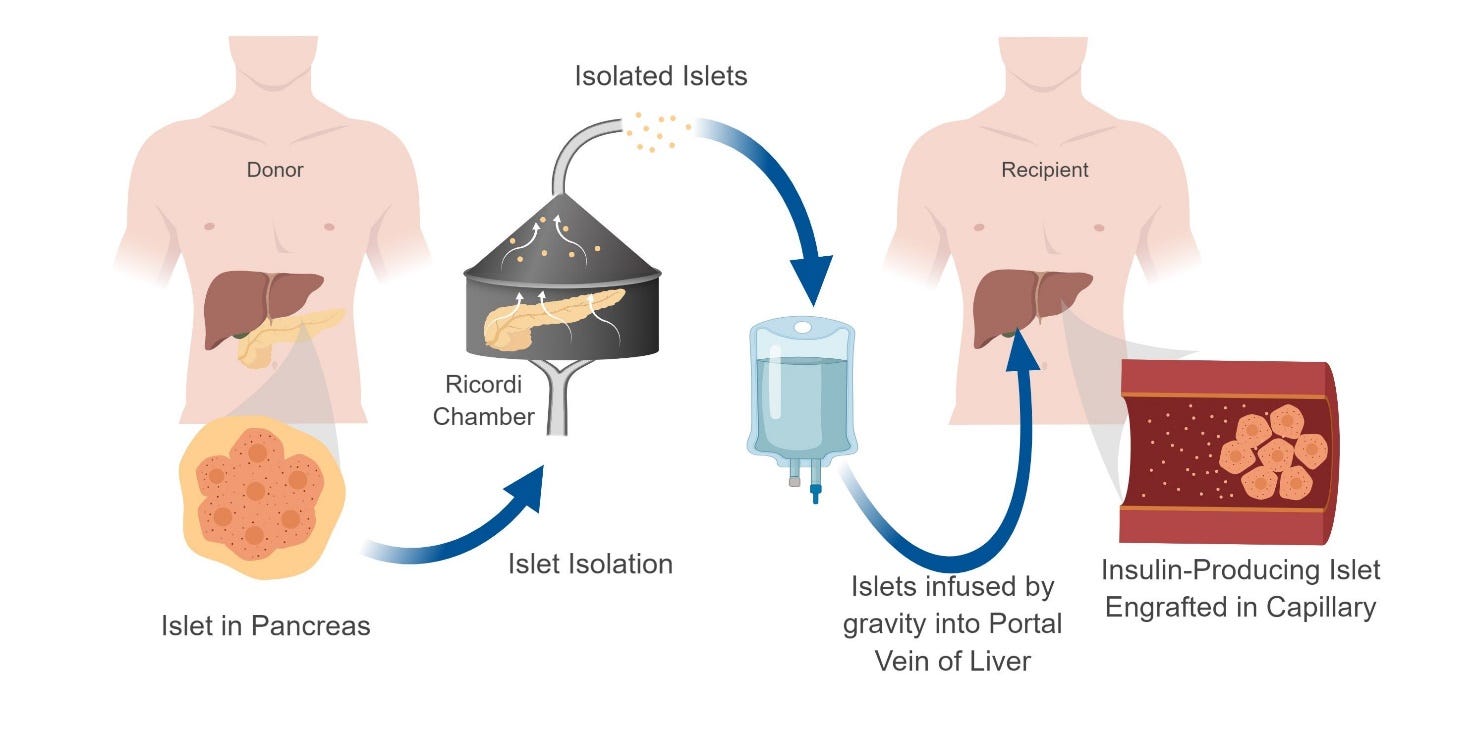
The team isolates islet cells from a deceased-donor pancreas, transplants them into the recipient’s portal vein, and uses tegoprubart as part of the immunosuppressive regimen to protect those cells.
The patients have done remarkably well. Their HbA1c levels have normalized very quickly, all of the patients have been able to come off exogenous insulin, and we haven’t seen a severe hypoglycemic unawareness event since the study began.
We plan to take over that program and move it toward a Phase 1/2/3 development path with the goal of ultimately seeking approval.
You’ve also been involved in some of the emerging work around immune tolerance. What does that look like?
Steve: This is another investigator-initiated study being conducted at Mass General, and I think it’s incredibly exciting. The idea is that a patient receives a kidney transplant and, simultaneously, a bone marrow transplant from the same donor. The goal is then to gradually wean that patient off immunosuppression over the course of roughly a year.
We now have three patients enrolled in the study. Two are around six months out, and at this point the only drug they’re taking is a very low dose of tacrolimus. They’ve already come off the other immunosuppressive drugs they would typically need.
By the end of 12 months, the goal is to wean them off tacrolimus as well. Based on years of preclinical data, we believe tegoprubart may help reprogram the immune system so that it no longer recognizes the transplanted kidney as foreign. In effect, the immune system begins treating the donor organ as its own.
If we can achieve that, tolerance really is the holy grail of transplantation.
When you step back, how do all of these programs fit together?
Steve: The thesis of the company from the beginning has been to replace tacrolimus as the cornerstone of immunosuppression across transplantation, whether we’re talking about organs or cells and regardless of species. We’ve been steadily working away at that thesis.
Over the last few years, the data have continued to accumulate, and we think tegoprubart has the opportunity to become the first major innovation in transplant immunosuppression in more than 30 years.
###
If you’re working on new approaches to immunosuppression, transplant tolerance, or xenotransplant, we’d love to hear what you’re seeing. Leave a comment or pass this along to someone shaping what comes next.
Diehl L, Den Boer AT, van der Voort EI, Melief CJ, Offringa R, Toes RE. The role of CD40 in peripheral T cell tolerance and immunity. J Mol Med (Berl). 2000;78(7):363-71. doi: 10.1007/s001090000126. PMID: 11043379.
Anwar IJ, Berman DM, DeLaura I, Gao Q, Willman MA, Miller A, Gill A, Gill C, Perrin S, Ricordi C, Ruiz P, Song M, Ladowski JM, Kirk AD, Kenyon NS. The anti-CD40L monoclonal antibody AT-1501 promotes islet and kidney allograft survival and function in nonhuman primates. Sci Transl Med. 2023 Aug 30;15(711):eadf6376. doi: 10.1126/scitranslmed.adf6376. Epub 2023 Aug 30. PMID: 37647390; PMCID: PMC10990482.
https://www.sciencedirect.com/science/article/pii/S1600613522029902
Gonzales HM, McGillicuddy JW, Rohan V, Chandler JL, Nadig SN, Dubay DA, Taber DJ. A comprehensive review of the impact of tacrolimus intrapatient variability on clinical outcomes in kidney transplantation. Am J Transplant. 2020 Aug;20(8):1969-1983. doi: 10.1111/ajt.16002. Epub 2020 Jun 17. PMID: 32406604; PMCID: PMC11140479.
Taber D, Gordon E, Myaskovsky L et al. Therapeutic needs in solid organ transplant recipients: The American Society of Transplantation patient survey. American Journal of Transplantation, 2025; 25, 2565-2577
![Signals From [Space]](https://substackcdn.com/image/fetch/$s_!NnOt!,w_96,h_96,c_fill,f_auto,q_auto:good,fl_progressive:steep,g_auto/https%3A%2F%2Fsubstack-post-media.s3.amazonaws.com%2Fpublic%2Fimages%2F688fc47b-7202-4a2e-b4f4-fea2b047ab1b_1500x1500.png)


